-
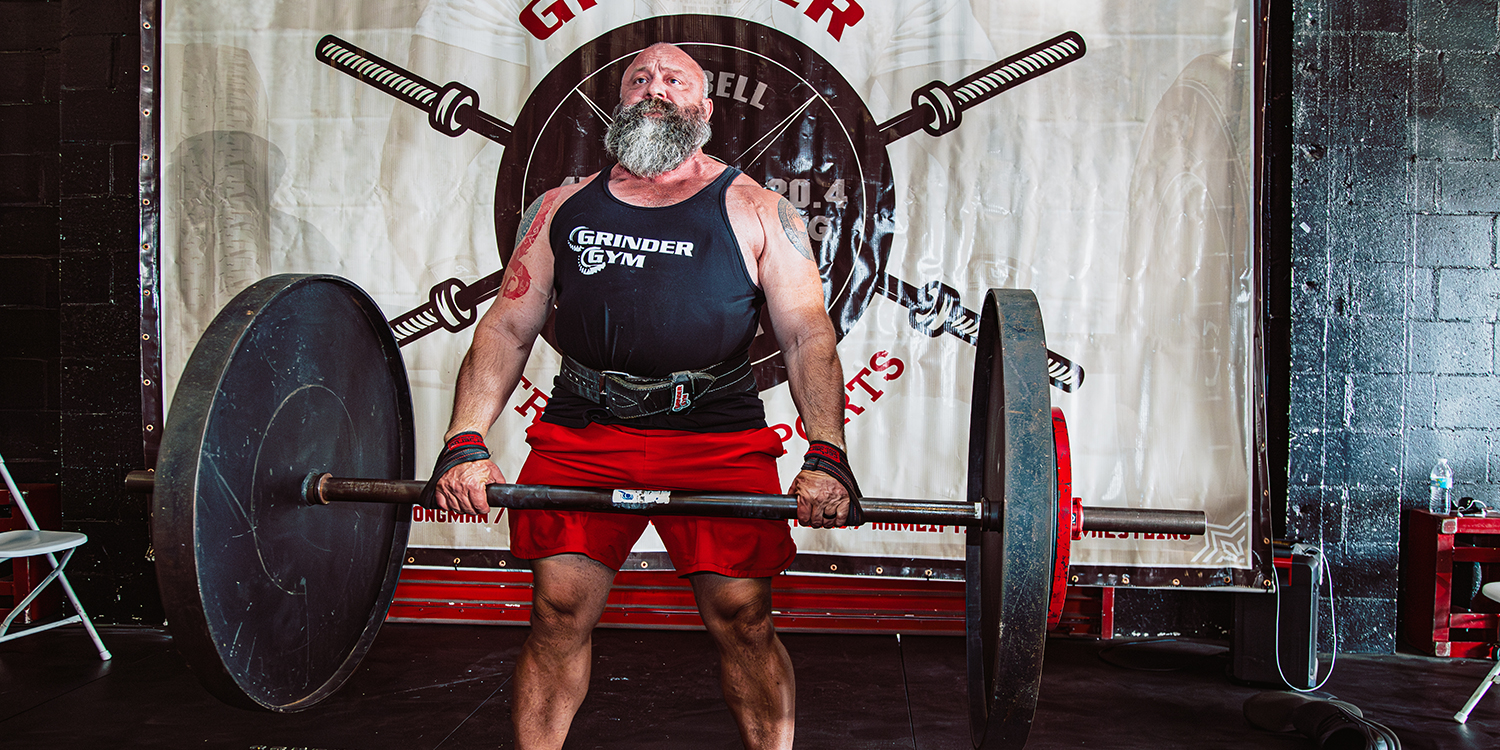
Partial vs. Full Range of Motion for Muscle Development
Most lifters get taught one rule early on: use a full range of motion on every exercise. And for a long time, that got treated as the gold standard for building muscle. But if you’ve spent any real time under the bar, you’ve seen something different. You’ve seen partial reps build size. You’ve seen people…
-

Reactive Strength vs. Agile Strength: Where Speed Meets Control
Strength isn’t just about how much force you can produce. It’s about how well you can use it when it actually matters. Most lifters spend their time building strength in controlled environments, perfect setup, straight bar path, predictable movement. And that has real value. But the moment things speed up, shift, or fall out of…
-
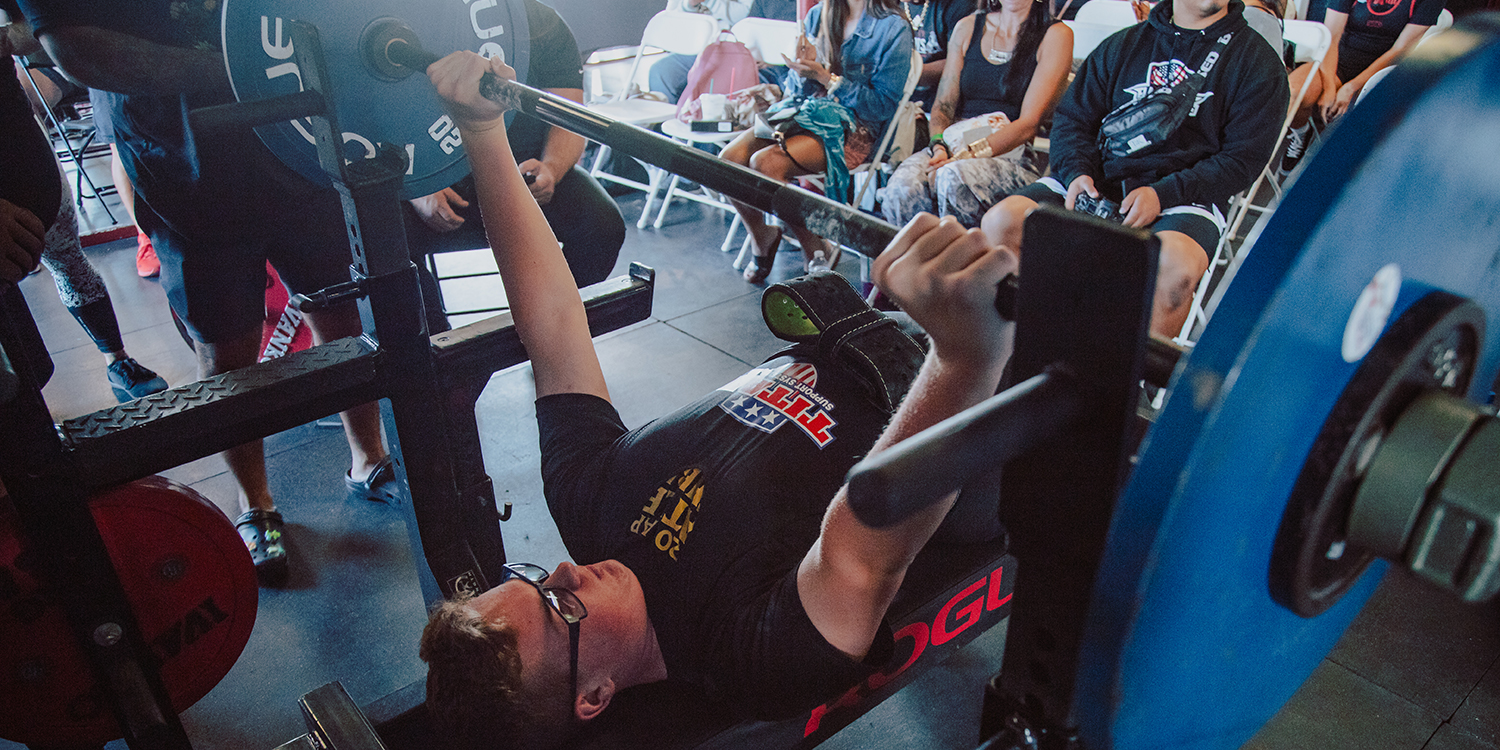
Neural Output in Strength Training
Muscle and connective tissue form the structure of your strength. Your nervous system determines how much of that strength you can actually use. A lifter can have the muscle mass to move a heavy weight and still struggle to express it. The difference usually comes down to how efficient the nervous system is. Strength isn’t…
-

Connective Tissue Strength Workout: Training the Tendons, Ligaments, and Joint Structures that Support Real Strength
Muscles move the weight, but your connective tissue determines whether your body can actually handle it. Every lifter eventually hits a point where their muscles can produce more force than their joints, tendons, and ligaments can safely tolerate. When that happens, progress slows. The nervous system starts holding back force production, joints start to ache,…
-

Strength Training: A Beginner’s Guide to Building Muscle and Confidence
Strength training is more than just lifting heavy weights. It’s about building a body that works for you, one that’s stronger, more resilient, and capable of handling whatever life throws at it. Whether you’re picking up a barbell for the first time or returning after years away from the gym, this guide covers everything you…
-

Maximizing Gains for Seniors: Eccentric vs. Conventional Resistance Training Methods
As we age, maintaining muscle mass and strength becomes increasingly important for overall health, mobility, and quality of life. Resistance training has long been the gold standard for counteracting age-related muscle loss, but recent studies are shedding light on how different types of resistance training may yield unique adaptations. One of the most compelling distinctions…
-

Structuring Strength Training: Assessing the Results and Making Changes
As you progress through your strength training journey, assessing the results of your efforts is crucial for continued growth and success. Knowing when and how to evaluate your progress allows you to make informed adjustments to your program, ensuring that you keep moving towards your goals. This guide will help you understand how to assess…
-

Structuring Strength Training: Tracking Progress for the Beginner
Tracking your progress is one of the most important aspects of a successful strength training program. For beginners, understanding how to measure and monitor improvements can be the difference between achieving your goals and hitting a plateau. This guide will help you develop effective methods for tracking your progress as you embark on your strength…
-

Structuring Strength Training: How to Increase Load and Volume for the Beginner
As you progress in your strength training journey, one of the key factors in continuing to build muscle and strength is learning how to effectively increase load and volume. This guide will help beginners understand the principles behind these concepts and how to apply them safely and effectively. Understanding Load and Volume What is Load?…
-

Structuring Strength Training: Upper/ Lower Splits for the Beginner
An upper/lower split is a popular training method that divides your workout routine into upper-body and lower-body sessions. This approach allows you to focus on specific muscle groups more intensely while still providing adequate recovery time between workouts. For beginners, an upper/lower split can be an effective way to build strength, muscle, and confidence. Why…
-

Structuring Strength Training: Full-Body Workouts for the Beginner
Full-body workouts are an excellent starting point for beginners in strength training. They allow you to train all major muscle groups in a single session, providing a balanced approach that builds overall strength and muscle mass. This article will guide you through the structure of a full-body workout, ensuring that you understand how to organize…
-

Common Exercise Selection Mistakes
Choosing the right exercises is crucial for effective strength training, but many beginners, and even some experienced lifters, make mistakes in their exercise selection that can hinder progress or lead to injury. Understanding these common pitfalls can help you make better choices in your training routine, ensuring that you maximize your gains while minimizing risks.…