
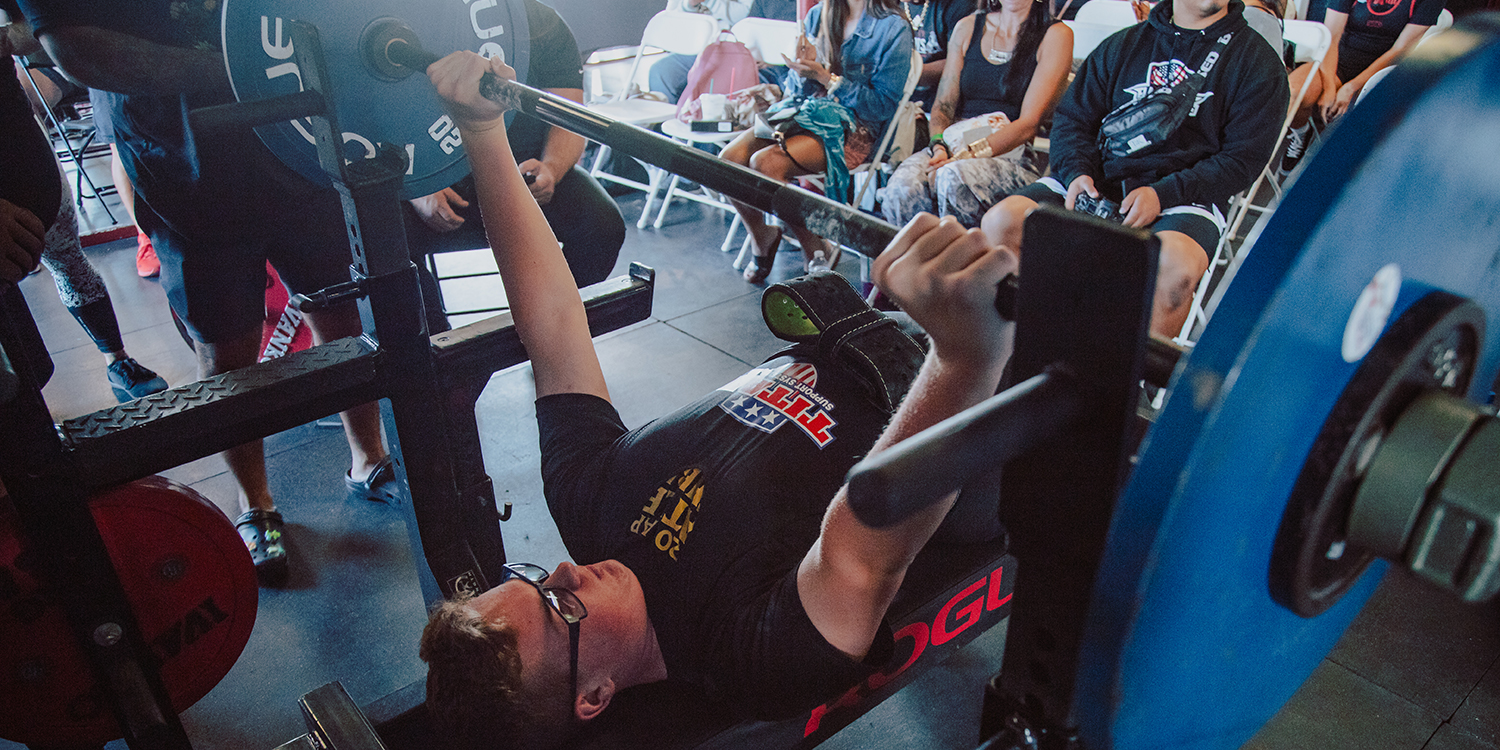
Muscle and connective tissue form the structure of your strength. Your nervous system determines how much of that strength you can actually use. A lifter can have the muscle mass to move a heavy weight and still struggle to express it. The difference usually comes down to how efficient the nervous system is. Strength isn’t only about how much muscle you have. It’s also about how effectively your nervous system can recruit that muscle to produce force. That’s neural output.
What Neural Output Means
Neural output is your nervous system’s ability to recruit muscle fibers and coordinate them to produce force. When you attempt a heavy lift, your brain sends electrical signals through the spinal cord to activate motor units in the working muscles. The more efficiently those signals are transmitted and coordinated, the more force your body can produce. Neural output determines:
- How many muscle fibers get recruited
- How quickly those fibers contract
- How well they coordinate together
Two lifters with the same muscle mass but different neural efficiency won’t be equally strong. The one with higher neural efficiency usually produces more force.
Motor Unit Recruitment
Muscle fibers are organized into groups called motor units. Each motor unit is a motor neuron and the muscle fibers it controls. When the neuron fires, those fibers contract. Small motor units control lower-force movements. Larger motor units control the high-force contractions you need for heavy lifting. As the load goes up, your nervous system recruits progressively larger motor units to meet the demand. Training improves that process. Over time, the nervous system gets more efficient at activating larger motor units and coordinating them through complex movements like squats, presses, and deadlifts.
Strength as a Skill
Strength isn’t just a physical capacity. It’s also a skill. Every rep teaches your nervous system how to apply force more efficiently. As you repeat movements with good technique, the nervous system learns:
- The most efficient movement patterns
- How to coordinate multiple muscle groups
- How to stabilize the joints under load
This is why experienced lifters often keep getting stronger even without adding much muscle. The nervous system keeps getting better at the job.
Neural Strength vs Structural Strength
Structural strength is your muscle, connective tissue, and joint stability that support heavy loads. Neural strength is your nervous system’s ability to recruit and coordinate those tissues to produce force. Structural development increases your potential for strength. Neural development increases your expression of it. Without structure, neural output can’t be expressed safely. Without neural efficiency, structural strength stays underused. Both have to develop together over time.
Rate of Force Development
One important piece of neural output is rate of force development, which is how quickly your nervous system can recruit muscle fibers to produce force. Explosive movements train this. Jumps, throws, and speed-focused lifts teach the nervous system to activate muscle rapidly. Even when you’re lifting heavy and slow, a trained nervous system learns to apply force faster and more effectively.
Neural Adaptations to Training
Several neural adaptations happen with consistent strength training. Motor unit recruitment improves, so more muscle fibers participate in each lift. Motor unit synchronization increases, meaning fibers fire more efficiently together. Intermuscular coordination improves, so different muscle groups work together smoothly. These adaptations explain why beginners often see rapid strength gains in their first months of training, even before any significant hypertrophy. The nervous system is learning.
Why Neural Training Matters
Once you’ve built enough structural capacity, neural training becomes essential to keep progressing. Heavier loads, explosive movements, and speed work teach the nervous system to recruit muscle more effectively. That lets you express greater strength through the structure you’ve already built. Without neural development, your strength potential stays untapped. You may have the muscle for more force, but the nervous system hasn’t learned how to use it yet.
Neural Training in the HCCT System
Inside Hypertrophy-Centric Cyclical Training, neural output becomes a focus after structural hypertrophy has built the necessary base. The early phases emphasize building muscle. Instead of forcing maximal effort through an underbuilt frame, HCCT develops the body first and the neural output second.
Structure First, Signal Second
Strength development follows a sequence. First the structure gets built. Muscle mass, connective tissue, and joint stability create the physical base. Then the nervous system learns to apply force through that structure. When both develop together, you get strength that’s not just powerful but durable. The nervous system provides the signal. The structure provides the foundation. Together, they produce real strength.
Scientific Principles of Strength Training
A research-backed look at how strength is actually built, and why most programs miss.
View on AmazonAs an Amazon Associate I earn from qualifying purchases.
Get a custom training plan built from our library of 900+ real exercises, matched to your goal, experience, schedule, and equipment. Free, and no signup.
Open the Workout Generator