
-
The Board Press: Overloading Your Bench Lockout
When your bench dies in the top half, the board press is one of the oldest and most reliable fixes in the game. It lets you handle heavier weight through the part of the press where you are weakest, the lockout, and it teaches you to grind through that range. What a Board Press Is…
-
Defining Processed and Whole Foods: A Nutritional Perspective
People throw around the words “processed” and “whole” like everybody already agrees on what they mean. They don’t. And the line matters, because it’s the difference between food that builds you and food that quietly tears you down. So let me lay it out plain, no jargon, the way I’d explain it to somebody on…
-

Back Anatomy and Biomechanics: Lats, Traps, Rhomboids, Erectors
You cannot train a muscle well if you do not know what it does. The back is not one muscle, it is a stack of them, each pulling in its own direction. Understand the main players and back training stops being random and starts making sense. Here is the back, in plain language. The Lats…
-
Expose The Weak Link: Understanding And Overcoming Muscle Weakness
Strength is often judged by the weight on the bar, but real strength development is determined by something deeper, the ability of the entire body to work together efficiently. Every lifter eventually discovers the same truth: progress stops where weakness begins. Weakness refers to a reduction in the ability of one or more muscles to…
-
The Cambered Bar Bench Press: Building a Stronger Bottom
If your bench dies right off the chest, the cambered bar is one of the best tools to fix it. It is a specialty barbell built to attack the exact spot where a lot of lifters fail, the bottom of the press. Used right, it builds strength in the hardest part of the lift. What…
-
Chest Anatomy and Biomechanics: Pressing and the Stretch
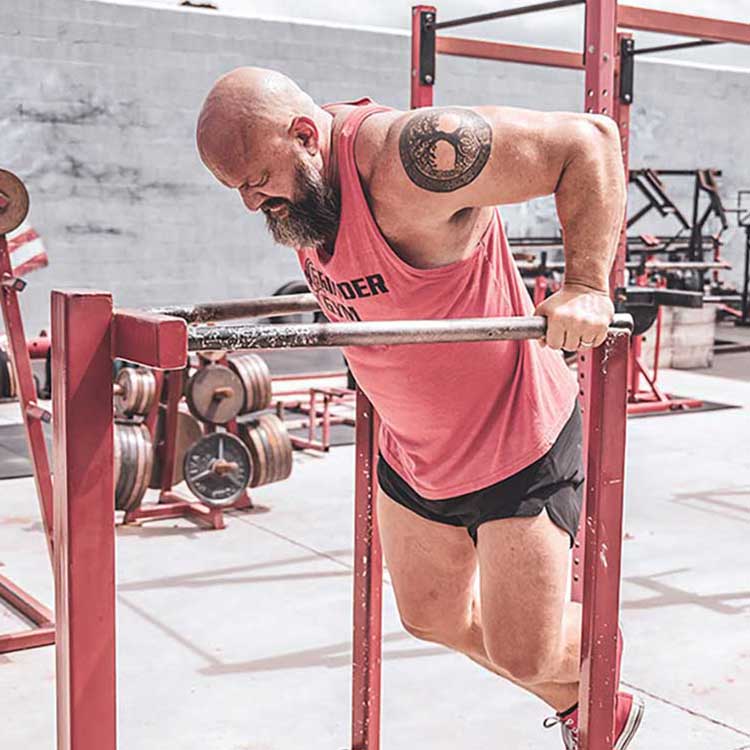
If you want to build a chest that actually grows, it helps to understand two things: what the chest is, and how it moves. Not in a textbook way. In a way that changes how you press, how you flye, and where you put the work. Once you see how the chest is built and…
-
The Five Laws of Hypertrophy-Centric Cyclical Training
The Five Laws of Hypertrophy-Centric Cyclical Training Every effective training system is built on a set of guiding principles. These principles serve as the foundation that shapes how the system is applied, how programs are structured, and how progress is evaluated over time. Without clear principles, training becomes reactive and inconsistent, lifters jump from method…
-
Calf Training Basics: The Muscles, the Exercises, and Why They Won’t Grow
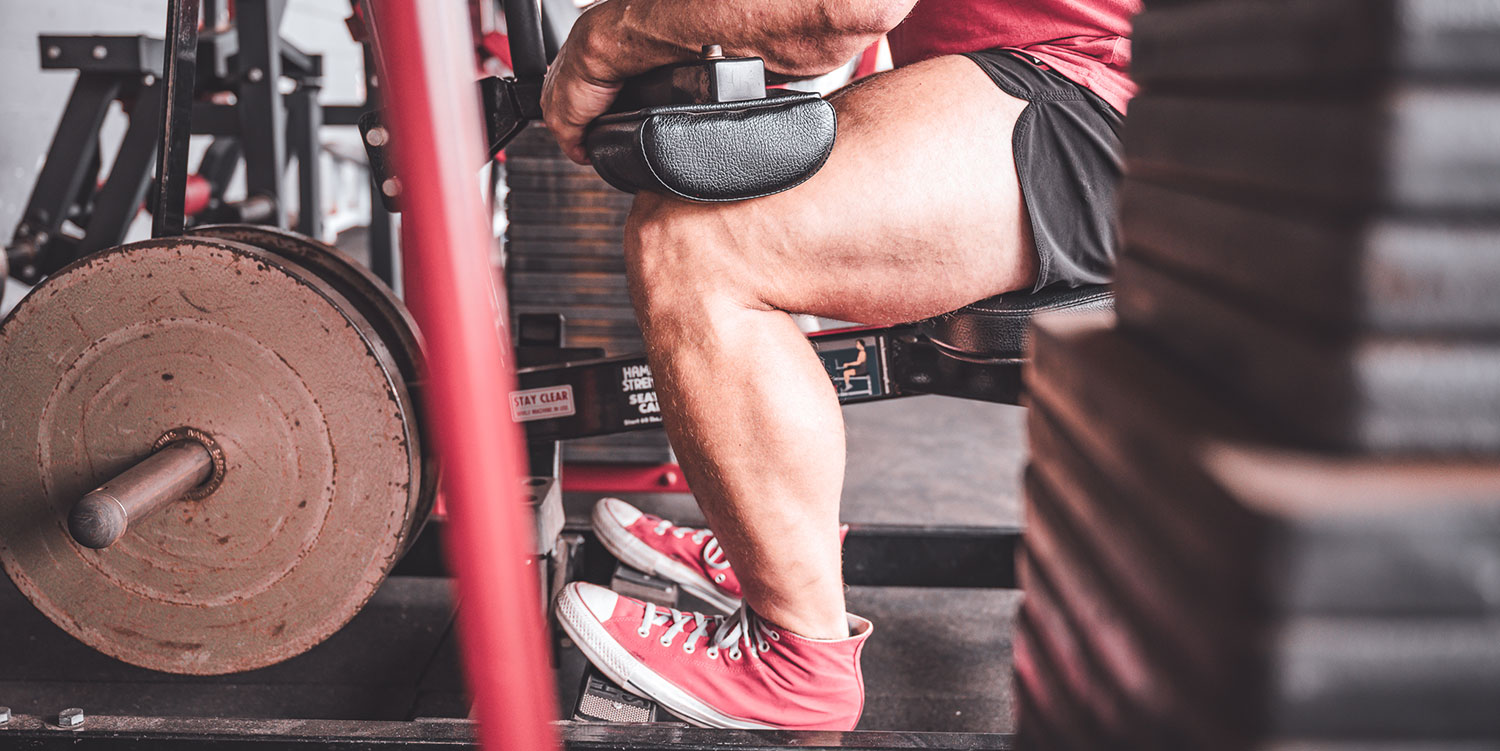
Calves are the body part with the worst reputation in the gym. Everyone says they are all genetics and that if you were not born with them, you never will be. There is a sliver of truth in that, but it is mostly an excuse for bad training. Most stubborn calves are not a genetic…
-
The History of Processed Foods: Evolution and Impact on Health
If you want to understand why eating well feels like swimming upstream, it helps to know how the water got so dirty. Processed food didn’t show up overnight. It was built, piece by piece, over about two hundred years, with each step trading a little more nutrition for a little more convenience, shelf life, and…
-
How to Build a Bigger Bench Press for Powerlifting
The bench press is the lift everyone wants to be good at and the one most lifters stall on the longest. After thirty-plus years around the platform, I can tell you the bigger bench is not built by benching harder and hoping. It is built by training the right things in the right order. Here…
-
12 Articles to Help You Kickstart Your Fitness Journey
Starting a fitness journey is simple, but it isn’t easy, and the questions pile up fast. Where do I start? How long will it take? What if I get hurt, or lose steam, or blow it all on the weekend? I put together these twelve pieces to answer the questions I hear most from people…
-
Choosing a Powerlifting Weight Class and Eating to Make It
Powerlifting is contested in weight classes, and where you sit can shape your whole approach to the platform. Pick the wrong class or cut it the wrong way and you can show up weak on the day that matters most. Let me walk you through choosing a class and eating to make it without wrecking…
Zero-sugar energy, BCAAs, and electrolytes to power your heaviest sessions. Shop the full REIGN Total Body Fuel lineup.
As an Amazon Associate I earn from qualifying purchases.