-
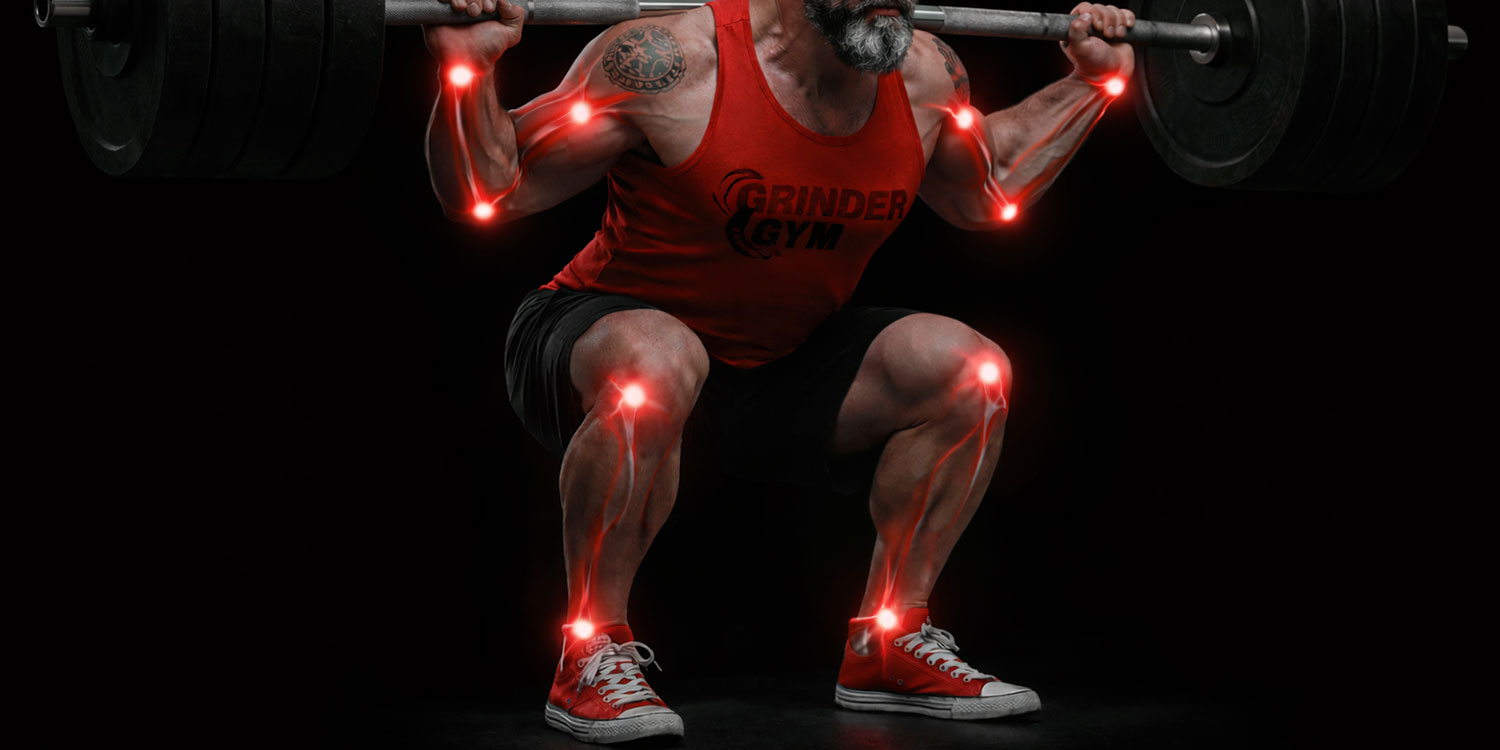
Tendons Respond To Strain Duration, Not Just Load
Tendons adapt primarily to mechanical strain applied over a meaningful duration. When you put resistance on a muscle, the force travels through the tendon before it reaches the skeleton, and that force deforms the collagen fibers inside the tendon. If the tension is applied only briefly, the mechanical signal to the tendon’s cells is relatively…
-
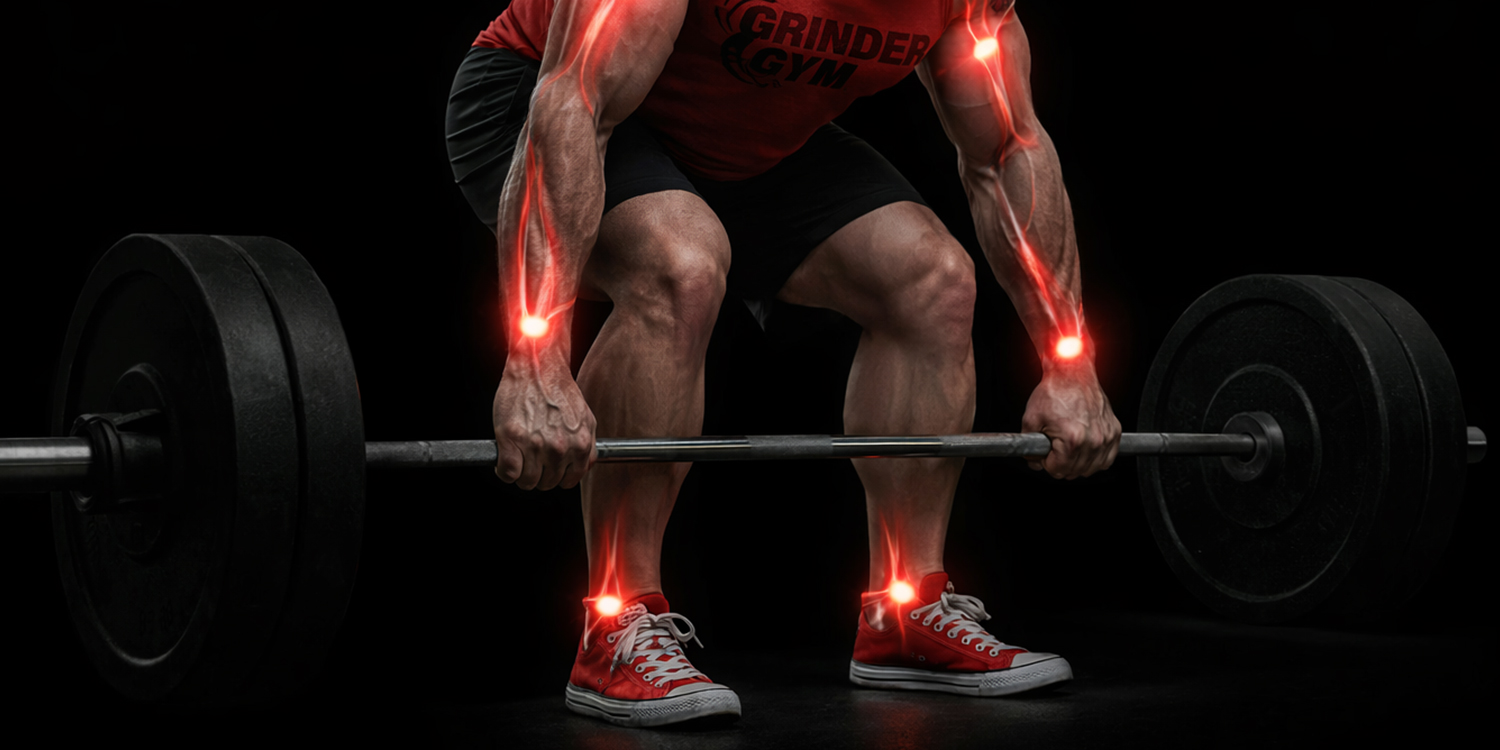
Connective Tissue Strength Workout: Training the Tendons, Ligaments, and Joint Structures that Support Real Strength
Muscles move the weight, but your connective tissue determines whether your body can actually handle it. Every lifter eventually hits a point where their muscles can produce more force than their joints, tendons, and ligaments can safely tolerate. When that happens, progress slows. The nervous system starts holding back force production, joints start to ache,…
-

Why Connective Tissue Limits Strength
When lifters think about getting stronger, they think about muscle. Bigger muscles, heavier weights, harder sessions. That’s usually where the whole conversation starts and stops. But muscle is only part of the system. Every pound you lift has to travel through tendons, ligaments, and connective tissue before it ever moves the bar. If those tissues…