

Exercise adaptation is the foundation of progress. Every productive training program depends on the body’s ability to respond to stress, recover from it, and come back better prepared for the next demand. If you want to build strength, muscle, endurance, or skill, you need to understand the principles that shape those changes.
This section focuses on the key principles that govern how training creates results. Here, you will find articles on specificity, progressive overload, fatigue management, stimulus recovery adaptation, variation, phase potentiation, and individualization. These are not random concepts. They are the core ideas that help explain why a training program succeeds or falls apart.
When you understand these principles, you can make better decisions about how to organize your training, how to adjust when progress slows, and how to build a program that actually matches your goal. This is where theory starts becoming practical.
Training | Nutrition | Supplements | Motivation | Exercises | Hormones | Ask Dave
SPECIFICITY

Specificity explains why your body adapts to the exact demands you place on it. This section looks at how training must match the goal if you want the right physical and performance changes to occur.
PROGRESSIVE OVERLOAD
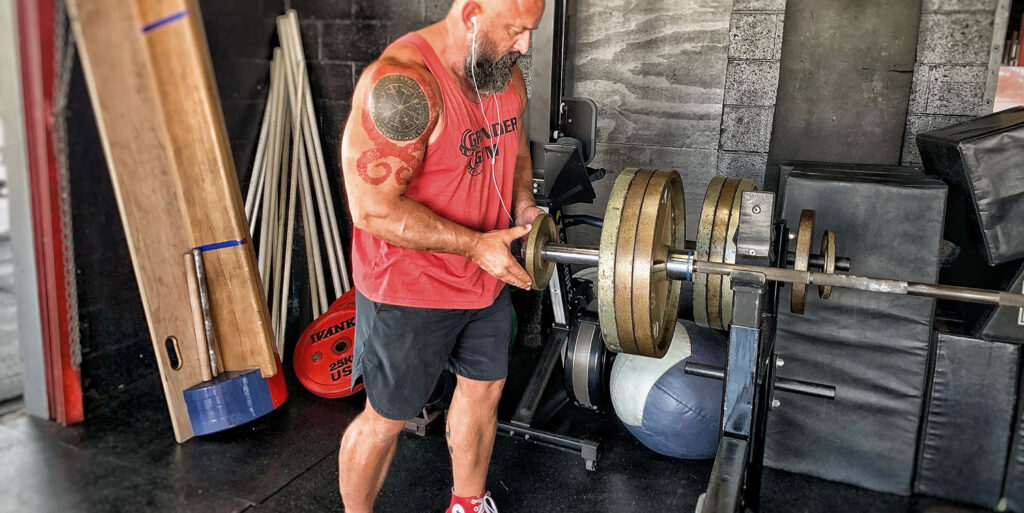
Progressive overload is the process of increasing training demands over time so the body continues adapting. This section covers why it matters, how it works, and how to apply it without simply doing more for the sake of doing more.
FATIGUE MANAGEMENT

Fatigue management helps balance hard work with recovery so performance does not collapse under accumulated stress. This section looks at how to manage workload, recovery, and output in a way that supports continued progress.
STIMULUS RECOVERY ADAPTATION

Stimulus recovery adaptation explains that training creates the challenge, but recovery is where the actual adaptation takes place. This section helps connect workload, recovery capacity, and progress into one practical framework.
VARIATION

Variation helps prevent stagnation, manage stress, and expose the body to new demands when appropriate. This section looks at how and why to make changes in a training program without turning programming into random exercise selection.
PHASE POTENTIATION

Phase potentiation is about organizing training in a sequence where one block prepares the body for the next. This section looks at how structured phases can build on each other to improve the effectiveness of longer-term programming.
INDIVIDUALIZATION

Individualization recognizes that no two people respond to training exactly the same way. This section explores how differences in structure, recovery, experience, preferences, and goals affect program design and results.
By understanding these principles, you gain a stronger foundation for building programs that align with your goals, improve performance, and support long-term progress.
RELATED ARTICLES
- The 12 Laws of Strength Development
 Strength training gets treated like a pile of workouts. Sets, reps, exercises, programs, all thrown together with the hope that hard work alone will get…
 - Timing Your Workouts for Peak Performance: Harnessing Supercompensation
 Maximizing training results isn’t just about how hard you work, it’s also about when you train. Supercompensation, the body’s adaptive response to training stress, plays…
 - Pushing Boundaries Safely: Strategies for Progressive Overload
 Progress in fitness relies on the principle of progressive overload, the gradual increase in training demands to stimulate muscle growth, strength gains, and overall performance…
 - Specified Recovery Time for Optimal Sports Training Specificity
 In the world of sports and fitness, one of the most critical aspects of achieving peak performance is understanding the concept of specificity. Specificity refers…
 - Endurance vs. Resistance Training in the Regulation of HormonesBoth endurance and resistance training have profound impacts on the hormonal milieu of the body. Each drives a distinct hormonal response, and those responses ultimately…
- Overlapping Specificity: The Limits of One-Size-Fits-All Training
 In the world of fitness and sports training, the principle of specificity reigns supreme. It asserts that to excel in a particular sport or achieve…
 - Optimizing Performance: The Vital Role of Bioenergetic Alignment in Training Specificity
 When it comes to achieving success in sports, fitness, or any physical endeavor, specificity is the name of the game. Specific training allows individuals to…
 - Specificity and Program Design Considerations
 Creating an effective training program is a multifaceted process that involves careful consideration of various factors. Among these factors, specificity is a cornerstone principle that…
 - Embracing Novelty and Variation in Your Training Routine
 Embarking on a fitness journey often begins with a specific goal in mind, whether it’s building muscle, shedding unwanted pounds, or improving overall health. While…
 - The Importance of Specificity in Training: Endurance vs Muscle Size
 When it comes to achieving fitness goals, specificity in training is a principle that should not be overlooked. Whether your aim is to enhance endurance…
 - The Significance of Tracking Progress in Progressive Overload
 Whether you’re looking to gain muscle, boost strength, or enhance overall fitness, it’s imperative to do more than just intensify your workouts randomly. To harness…
 - Understanding the Difference Between Hypertrophy and Strength Training: Tailoring Your Workouts for SuccessWhen it comes to fitness and strength training, it’s essential to have clear goals in mind. Are you aiming to build bigger muscles (hypertrophy), or…
- Maximizing Progress: A Comprehensive Guide to Variety in Overload
 Progressive overload is the bedrock of effective exercise and strength training. While increasing the weight lifted is a tried-and-true method, there’s a whole world of…
 - The Role of Specificity in Neural Adaptations During Strength Training
 Strength training is a popular and effective way to build muscle, increase overall strength, and enhance physical performance. While the physical changes in muscle size…
 - Training with Purpose: Training Modality Compatibility
 In the pursuit of achieving our fitness and performance goals, one crucial element that often goes overlooked is training modality compatibility. It is not enough…