
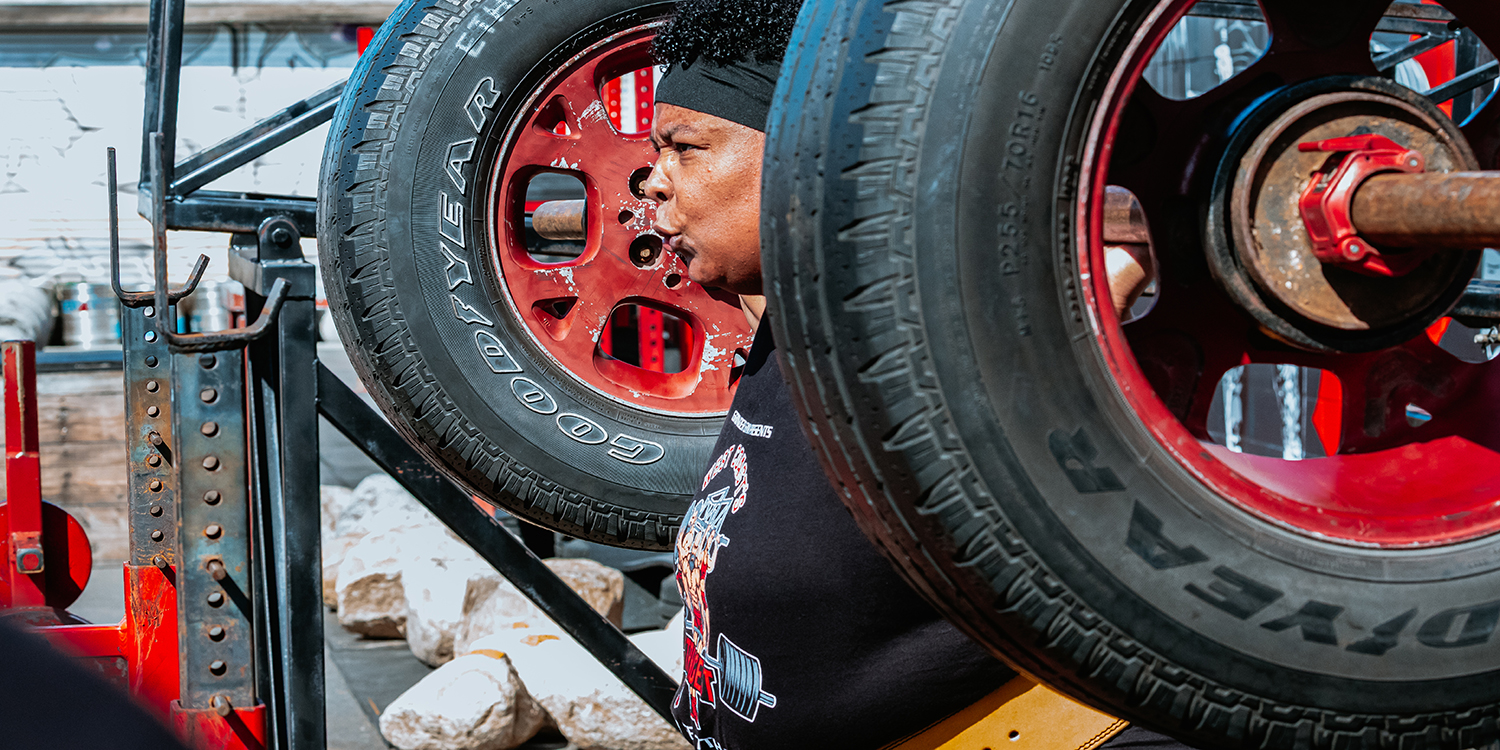
Entering a strongman competition starts long before you ever step on the platform. Most people begin by learning the events, building a base of foundational strength, and training in an environment that actually prepares them for the structure and demands of a contest. From there, you move into novice competitions and keep developing inside the sport. Strongman keeps growing in San Diego, which means more entry points for beginners and more chances for experienced athletes to test where they’re at.
Where Most Athletes Begin
Getting started with strongman competition usually starts with:
- Exposure to the events
- Structured strength training
- Learning competition movement patterns
Early on, you’re getting comfortable with the logs, stones, carries, and axle lifts while building the conditioning it takes to perform across several efforts in a day. That preparation is what builds your confidence before you ever step onto the platform.
Training in the Right Environment
Strongman is best learned in a facility actually built for the sport. A dedicated training environment gives you access to event-specific equipment, real coaching, and exposure to competition-style setups. You learn how to handle awkward implements, pace your efforts, and clean up your technique under load. Grinder Gym is one of the main hubs for strongman training in the area, with specialized equipment, coached sessions, and regular event-style training. An environment like that is what moves you from general strength work into real competition preparation.
Starting with Novice Competitions
Most first-time competitors start in a novice division. These classes run with manageable loads and a focus on learning how the events are actually run. You get experience with judging standards, pacing, and the flow of a competition without the pressure of open-level performance. The goal at this stage is simple: participate, learn, and keep progressing.
Learning the Basics First
Before you compete, you usually want to focus on:
- Overhead pressing strength
- Deadlift variations
- Carry events (sandbags, yokes, farmer’s handles)
- Core and bracing development
Get these fundamentals solid and you’ve built a strong base for the event-specific work that comes later.
Training With Strongman Implements
Using the actual equipment matters more than people think. Logs, atlas stones, sandbags, and yokes feel completely different from the tools in a standard gym. Training with the real implements builds your grip strength, your coordination, and your ability to stabilize awkward loads, all skills that transfer straight to competition. The more familiar you get, the less you hesitate and the better you execute.
Nutrition and Recovery
Strongman competitions are physically brutal, so your training has to be backed by real nutrition, hydration, and recovery. Managing your fatigue, fueling your performance, and giving your body time to adapt is what keeps you progressing and shows up as readiness on contest day. The preparation extends well beyond the gym floor.
Registering and Competing
Once you feel prepared, the next steps usually look like this:
- Registering for a local competition
- Entering a novice or appropriate division
- Making sure any federation membership requirements are met
- Continuing your structured training right up to contest day
Every competition ends up being both a performance opportunity and a learning experience.
A Growing Strongman Scene in San Diego
San Diego keeps expanding as a strongman training and competition hub. More events are getting hosted, more athletes are entering the sport, and more coaching and development pathways are opening up. All of that makes it easier than ever to get involved and find your place in the sport.
Get a custom training plan built from our library of 900+ real exercises, matched to your goal, experience, schedule, and equipment. Free, and no signup.
Open the Workout Generator