
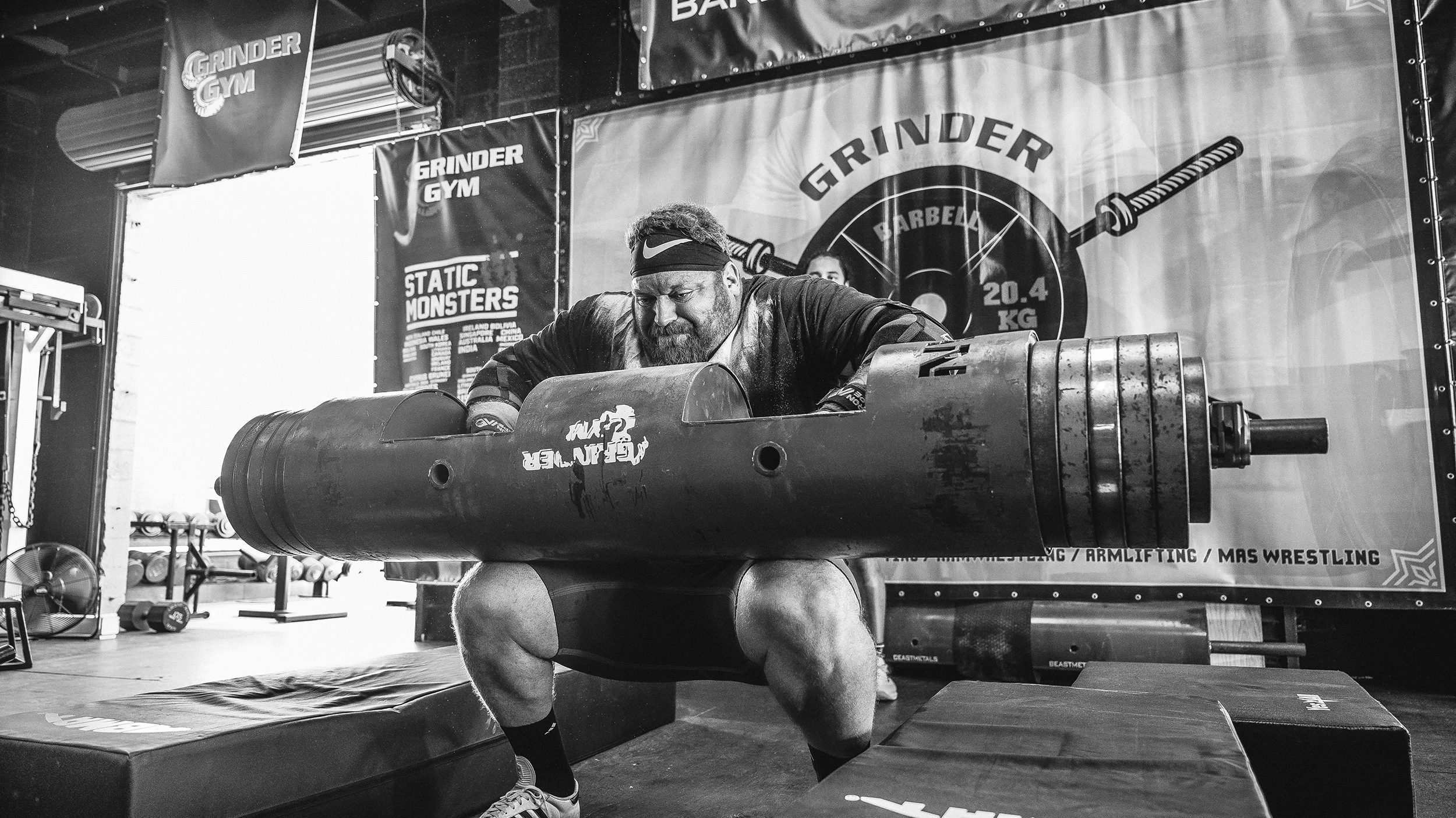
A real strongman gym is more than a place to work out. It’s a preparation ground. The same floor you train on day to day is usually where athletes learn the events, practice under pressure, and get ready for what contest day actually feels like. That tight link between training and competition is one of the things that defines strongman culture. You’re not just lifting for the sake of lifting. You’re preparing for something specific.
Local Competitions
A lot of strongman gyms double as hubs for local competitions. That means you’re training on the same implements you’ll face on contest day, getting familiar with the event formats, the judging standards, and how to pace yourself across a full day. That kind of continuity takes a lot of the uncertainty out of competing and replaces it with confidence. Training just feels more purposeful when you know exactly what you’re training for.
Event Practice Days
Some gyms run dedicated event practice days where the implements get set up in sequence and you practice your transitions, your timing, and your execution while you’re fatigued. These sessions expose your strengths and your weak spots fast, and that’s exactly the experience you want before a real contest. This is where your training moves from general strength to applied performance.
Workshops and Seminars
Workshops and seminars fill the gap between learning something and actually doing it. You get hands-on instruction, you clean up your technique, and you start to understand how the events are structured. These sessions are great for bringing new athletes into the sport, and they give experienced lifters a chance to sharpen a specific skill. Education becomes part of the training instead of something separate from it.
Athlete Development Programs
Strongman gyms usually back all of this with structured development pathways. Whether you’re starting from beginner foundations or working toward a competition, you can progress through a system that’s actually laid out in front of you. Progress like that isn’t an accident. It gets built on purpose.
Confidence Through Familiarity
Training in the same environment where the preparation and the events happen changes how you perform. By the time you compete:
- You already recognize the equipment
- You understand how the events run
- You’ve already practiced under similar conditions
That familiarity cuts down hesitation and builds real confidence. You step onto the floor knowing what to expect and how to respond to it. That connection between your training and the events themselves is what turns preparation into performance.
Mastering Strongman: A Training Guide for 40+ Strongman Athletes
A training guide aimed at the masters strongman athlete who wants to compete and stay healthy.
View on AmazonAs an Amazon Associate I earn from qualifying purchases.
Get a custom training plan built from our library of 900+ real exercises, matched to your goal, experience, schedule, and equipment. Free, and no signup.
Open the Workout Generator