
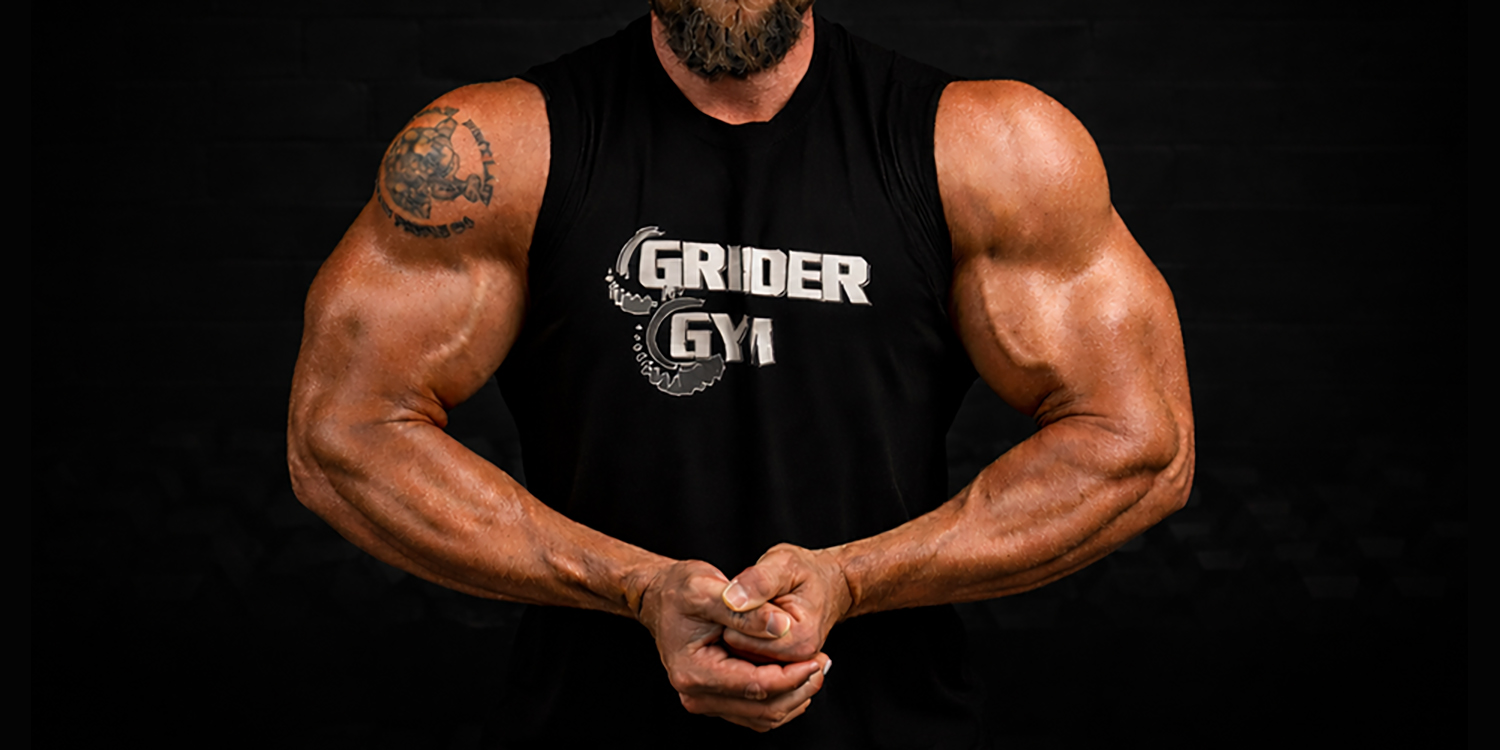
Strength training after 40 is one of the most effective things you can do to hold onto your health, preserve your muscle mass, and keep improving your physical performance as you age. A lot of people assume strength development slows way down with age, but both the research and decades of real-world experience say otherwise. You can keep building strength well into your 40s, 50s, and beyond.
The key is training intelligently. As your body changes with age, your program has to put more emphasis on proper recovery, sound technique, and progressive development.
At Grinder Gym, athletes over 40 train with the same purpose as the younger lifters: building strength, improving performance, and holding onto long-term physical capability.
Why Strength Training Matters After 40
As you age, your body naturally goes through changes that affect muscle mass, bone density, and metabolic health. Strength training counters a lot of those changes. The benefits after 40 include:
- Maintaining muscle mass
- Supporting joint stability
- Improving bone density
- Increasing metabolic health
- Preserving functional strength for daily life
Regular strength training helps you hold onto a higher level of physical independence and capability as you get older.
Addressing Muscle Loss
One of the main concerns after 40 is the gradual loss of muscle mass, often called age-related muscle decline. Without resistance training, muscle tissue decreases steadily over time. Strength training pushes the muscles to adapt and get stronger, which slows or even reverses that process. Train consistently and you can maintain your strength and your muscle long after the age when most people get less physically active.
Training Principles After 40
The fundamentals of strength training don’t change, but after 40 you often benefit from paying closer attention to a few things:
- Proper warm-up and mobility work
- Gradual progression of training loads
- Adequate recovery between sessions
- Emphasis on good lifting technique
Your training intensity can still be high. You just balance it with the right recovery strategies.
Strength Training Exercises
Most programs for athletes over 40 still lean on the foundational compound lifts that build total-body strength. Common exercises:
- Squats
- Deadlifts
- Bench Press
- Overhead Press
- Rows and pulling movements
These lifts train multiple muscle groups and let you progressively add resistance over time. Accessory exercises get worked in too, to strengthen the smaller muscle groups and improve joint stability.
Recovery and Longevity
Recovery becomes more and more important as you age. Your strength can keep improving, but your body may need a little more time to recover between heavy sessions. Effective recovery strategies:
- Quality sleep
- Balanced nutrition
- Mobility and flexibility work
- Planned rest days
Managing your recovery is what lets you keep training consistently while minimizing the risk of overuse injuries.
Mental Benefits of Strength Training
Strength training after 40 carries real mental benefits on top of the physical ones. Regular training can improve your:
- Confidence
- Stress management
- Mental resilience
- Overall well-being
A lot of people find that strength training becomes a key part of maintaining both their physical and mental health.
Training at Grinder Gym After 40
Grinder Gym is an environment where athletes of any age can pursue real strength development. Plenty of our lifters keep training and competing in strength sports well into their 40s, 50s, and beyond. The focus is on intelligent training, consistent progress, and keeping the ability to perform at a high level over the long term.
Strength training after 40 isn’t about slowing down. It’s about training smarter while you keep building strength and capability. With proper programming, recovery, and dedication, you can keep improving your strength for decades.
Science of Strength Training
The physiology of getting stronger, explained with clear visuals.
View on AmazonAs an Amazon Associate I earn from qualifying purchases.