
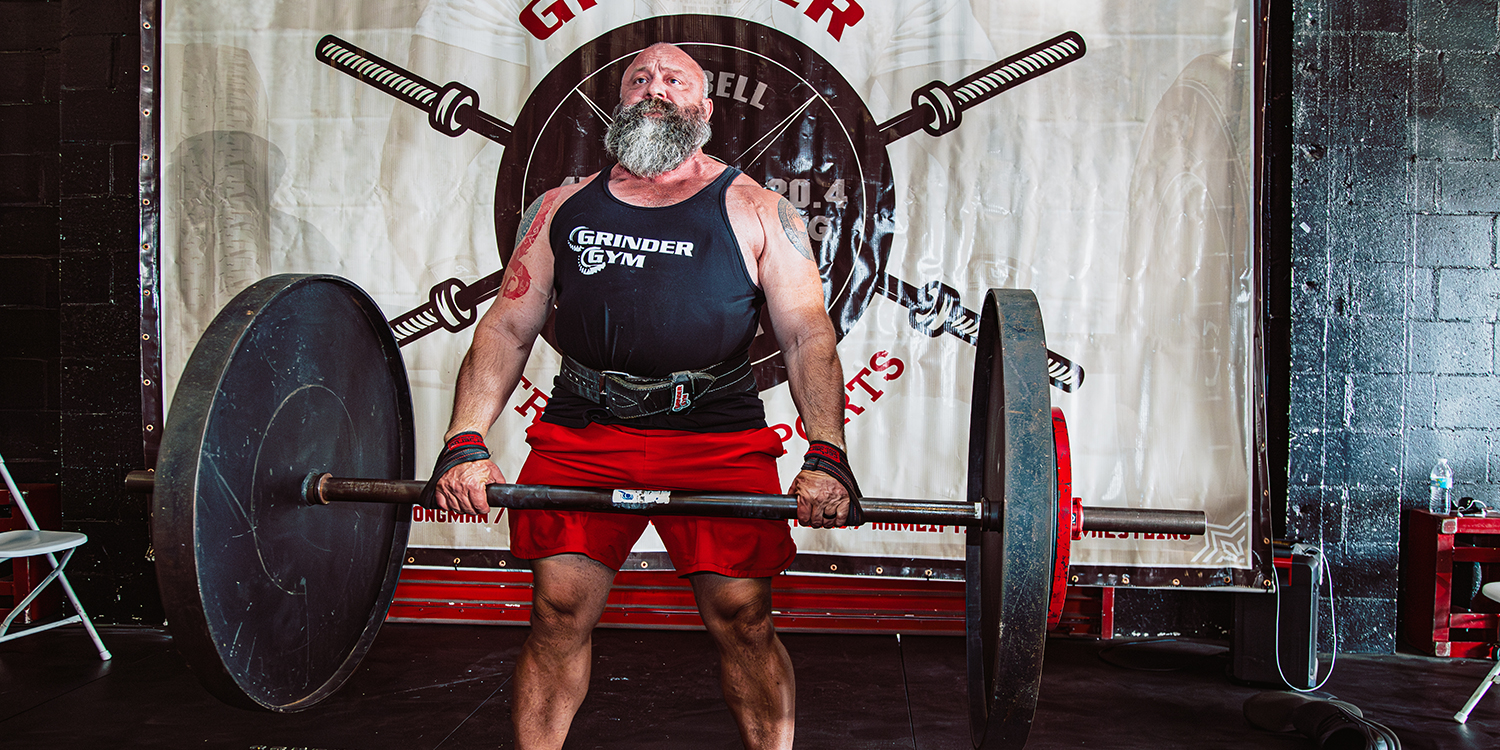
Most lifters get taught one rule early on: use a full range of motion on every exercise. And for a long time, that got treated as the gold standard for building muscle. But if you’ve spent any real time under the bar, you’ve seen something different. You’ve seen partial reps build size. You’ve seen people get stronger without always going end to end. And you’ve probably felt certain ranges of a lift hit a lot harder than others. So what actually matters? Let’s get into it.
The Science Behind Range of Motion
Here’s the thing most people miss. They focus on completing the rep instead of loading the muscle. The rep gets done, but the muscle never really gets put under tension where it counts. Shift your focus to where the muscle is actually working the hardest, and your training changes immediately.
Definition of ROM
Range of motion is just how much movement happens at a joint during an exercise. Two ways to think about it:
- Full ROM: moving through the complete joint range
- Partial ROM: moving through a specific portion of that range
Simple definitions. The application is where everything changes.
General Benefits
- Full ROM: builds coordination, control, and overall structural strength
- Partial ROM: lets you overload specific positions and keep constant tension where it matters
Most lifters don’t fail because they picked the wrong one. They fail because they only ever use one.
Recent Research and Key Findings
The research is finally catching up to what experienced lifters have known for years. Full range of motion works. No question. But lengthened partials are showing something important: muscle growth is heavily influenced by tension in the stretched position. That lines up with exactly what you feel in the gym. The hardest part of most movements is the spot where the muscle is lengthened and loaded.
What This Means for Your Training
Training a muscle in its stretched position is one of the most effective ways to overload it right where it’s under the most tension.
Lower Body Insights: Full ROM vs. Partial ROM
The lower body is where full range of motion has always been pushed hard, and for good reason. Deep squats, full leg presses, and full lunges build a base that’s hard to replace. But once that base is there, partials become extremely valuable. In my experience, some of the best leg growth comes from combining both:
- Full ROM to build the structure
- Partials to overload the hardest positions
This isn’t new. Methods like the Westside Barbell system have used partial-range movements for decades. Rack pulls, box squats, and board presses are all built to overload specific portions of a lift. Programs like Bigger Faster Stronger built strength the same way, partials right alongside full-range lifts. And watch armwrestlers train, partials are constant. They live in specific ranges because that’s where their sport is won. This isn’t theory. It’s how strong people have trained for a long time.
What This Means for Your Training
Full ROM builds the base. Partials let you overload it.
Upper Body Training: Where Things Get Interesting
Upper body is where it gets trickier, because you can lose tension completely if you push the range too far. This is where experience matters. Train long enough and you start to feel:
- Where the tension drops off
- Where the joints take over
- Where the muscle actually does the work
This is also why a sport like armwrestling leans so heavily on partials. Strength there gets built and expressed in very specific joint angles, not across a full range.
What This Means for Your Training
The best lifters don’t follow rules. They adjust the range to keep tension where it belongs.
Understanding the Strength Curve and Its Impact on Partials
Every exercise has a strength curve. Ignore it and you’re guessing. Understand it and you can put tension exactly where you want it. That’s the real reason systems like Westside Barbell emphasize partial movements. They’re not avoiding full range. They’re attacking weak ranges directly. That’s how you break plateaus.
What This Means for Your Training
Understand the strength curve and you stop guessing. You start placing tension exactly where you want it.
Practical Recommendations for Implementing ROM in Training
This is where it all comes together. You don’t need to pick a side. You need the right tool at the right time.
- Use full ROM on your main lifts to build control and structure
- Use partials on accessory work to increase tension
- Use lengthened partials when hypertrophy is the goal
- Use mid-range or shortened partials to overload strength
This is exactly how many of the strongest athletes in the world train, whether they realize it or not.
Take Away
Stop thinking in terms of full versus partial, like one is right and the other is wrong. Start thinking in terms of where the muscle is loaded, where the tension is highest, and what you’re actually trying to build. Use full range of motion to develop control, stability, and structure. Use partials to overload the positions that actually drive growth. Learn to use both, and you stop following rules and start training with intent.