
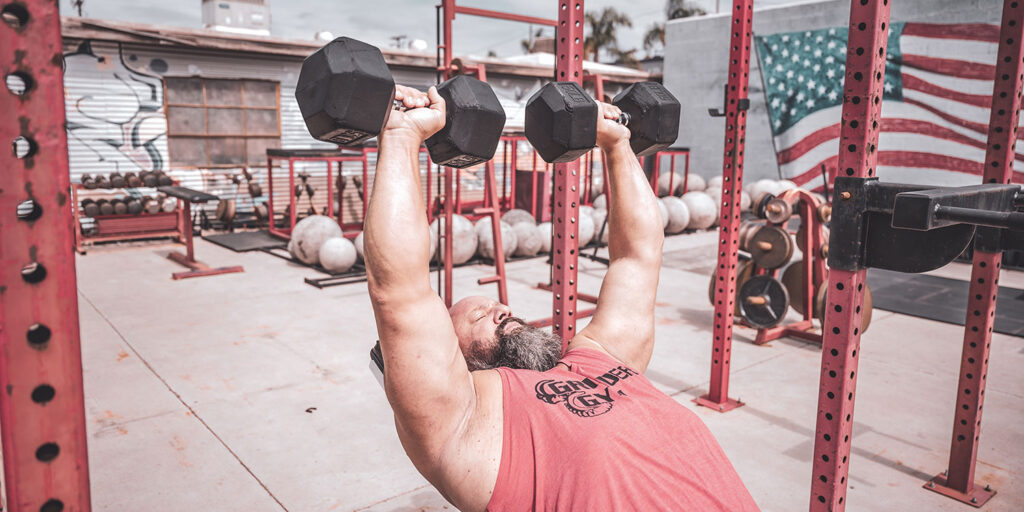
At its core, specificity emphasizes that if you want to excel in a particular sport or activity, you must train for it directly. In other words, you can’t expect to become a world-class swimmer by solely lifting weights, nor can you become an elite powerlifter by spending most of your time cycling. Specificity demands that your training regimen aligns closely with the skills, movements, and physiological demands of your chosen pursuit.
Imbalances and Challenges
While specificity is essential for excelling in a chosen discipline, it can also present challenges and potential imbalances. Improvements in one area of fitness or athleticism may not necessarily transfer well to another. For example, a triathlete, whose sport involves swimming, cycling, and running, wouldn’t benefit significantly from extensive deadlifting sessions. Similarly, a powerlifter, whose focus is on maximal strength in squat, bench press, and deadlift, wouldn’t spend substantial time on endurance cycling.
In Practice: Specificity in Strength Training
To put specificity into practice, let’s consider its application in strength training, particularly in the context of powerlifting:
- Adding Muscle Size: Specificity requires adding muscle size to the muscles involved in powerlifting movements, such as the quadriceps, hamstrings, glutes, and erector spinae. These muscles play a critical role in generating the force required for lifts like squats and deadlifts.
- Increasing Strength: The next step is increasing the strength of these muscles. Specific strength gains in the muscles directly involved in powerlifting movements will have a direct impact on your performance in those lifts.
- Technique Practice: Specificity also involves practicing the technique of powerlifting lifts to enhance skill and efficiency. This ensures that your neuromuscular system becomes finely tuned to the precise movements required for competition.
Specificity in Complex Sports
Specificity becomes more complex in sports like CrossFit, where athletes need to excel in multiple domains, including strength, endurance, agility, and more. In such cases, specificity is crucial when designing specific training cycles, such as strength phases, within the broader context of CrossFit skills and conditioning.
In CrossFit, athletes may incorporate strength training that aligns with their overall goals, which could involve working on Olympic weightlifting, gymnastics, or other specialized skills. While this approach embraces specificity, it also recognizes the need for a well-rounded foundation to excel in the various elements of CrossFit.
SAID principle
The SAID principle is a fundamental concept in fitness and sports training. It states that the adaptations your body makes in response to training are specific to the type of training or activity you engage in. In other words, the improvements you see are closely aligned with the demands you place on your body during exercise.
Practical Implications of Specificity
The principle of exercise specificity has several important implications:
- Skill Improvement: To excel in a specific sport or activity, practice that activity regularly. Soccer players, for instance, should prioritize soccer-specific drills and exercises.
- Muscular Adaptations: Different exercises target specific muscle groups and movement patterns. Tailor your workouts to strengthen the muscles crucial for your chosen activity.
- Energy Systems: Understand the energy systems your sport or fitness goal relies on, and train accordingly. Training for endurance differs significantly from training for strength or power.
- Neuromuscular Adaptations: Specific movements lead to improvements in motor skills and coordination. Practice specific movement patterns to enhance your skills.
- Injury Prevention: Training specific movements reduces the risk of imbalances or weaknesses that could lead to injuries. Prevent injuries by mimicking the demands of your chosen activity.
- Goal Alignment: Align your training regimen with your fitness goals. Different goals require specific exercises and training methods.
- Cross-Training: While specificity is crucial, some cross-training can be beneficial. Complementary exercises can address weaknesses, improve overall fitness, and reduce the risk of overuse injuries.
Conclusion
Specificity in training is the key to achieving athletic excellence. Whether you’re a powerlifter striving to break records or a CrossFit athlete aiming to conquer diverse challenges, tailoring your training to the specific demands of your sport is paramount. While it may lead to certain imbalances, specificity remains a cornerstone of successful training. Remember, a well-rounded approach to fitness may involve a combination of specific training and general conditioning to ensure overall health and performance.
Recommended Articles
- Specified Recovery Time for Optimal Sports Training Specificity
 In the world of sports and fitness, one of the most critical aspects of achieving peak performance is understanding the concept of specificity. Specificity refers… Read more: Specified Recovery Time for Optimal Sports Training Specificity
 - Overlapping Specificity: The Limits of One-Size-Fits-All Training
 In the world of fitness and sports training, the principle of specificity reigns supreme. It asserts that to excel in a particular sport or achieve… Read more: Overlapping Specificity: The Limits of One-Size-Fits-All Training
 - Optimizing Performance: The Vital Role of Bioenergetic Alignment in Training Specificity
 When it comes to achieving success in sports, fitness, or any physical endeavor, specificity is the name of the game. Specific training allows individuals to… Read more: Optimizing Performance: The Vital Role of Bioenergetic Alignment in Training Specificity
 - Embracing Novelty and Variation in Your Training Routine
 Embarking on a fitness journey often begins with a specific goal in mind, whether it’s building muscle, shedding unwanted pounds, or improving overall health. While… Read more: Embracing Novelty and Variation in Your Training Routine
 - The Importance of Specificity in Training: Endurance vs Muscle Size
 When it comes to achieving fitness goals, specificity in training is a principle that should not be overlooked. Whether your aim is to enhance endurance… Read more: The Importance of Specificity in Training: Endurance vs Muscle Size
 - Specificity and Program Design Considerations
 Creating an effective training program is a multifaceted process that involves careful consideration of various factors. Among these factors, specificity is a cornerstone principle that… Read more: Specificity and Program Design Considerations
 - The Role of Specificity in Neural Adaptations During Strength Training
 Strength training is a popular and effective way to build muscle, increase overall strength, and enhance physical performance. While the physical changes in muscle size… Read more: The Role of Specificity in Neural Adaptations During Strength Training
 - Training with Purpose: Training Modality Compatibility
 In the pursuit of achieving our fitness and performance goals, one crucial element that often goes overlooked is training modality compatibility. It is not enough… Read more: Training with Purpose: Training Modality Compatibility
Comments are closed