
Strength isn’t just about how much force you can produce. It’s about how well you can use it when it matters.
Most lifters spend their time building strength in controlled environments—perfect setup, straight bar path, predictable movement. And that has value. But the moment things speed up, shift, or fall out of alignment, a different level of ability is required.
That’s where Reactive Strength and Agile Strength come in.
They overlap. They support each other. But they are not the same thing—and understanding the difference changes how you train and how you perform.
Reactive Strength
Reactive Strength is the ability to absorb force and immediately reapply it.
It lives in the transition. The moment your body takes on load, stores energy, and redirects it without delay. No pause. No reset. Just a rapid exchange from absorbing to producing force.
This is elastic. Rhythmic. Fast.
You see it in:
- Depth jumps where the ground contact is minimal
- Sprinting, where each step is a rapid cycle of force absorption and return
- Olympic lifts, where the catch transitions instantly into the next phase
Reactive Strength is about efficiency. The less time you spend between receiving and producing force, the more powerful and effective you become.
Agile Strength
Agile Strength is the ability to apply and control strength while moving, adjusting, and stabilizing.
It shows up when things aren’t perfectly lined up—when you have to decelerate, change direction, regain position, or handle awkward movement under load.
This is controlled. Adaptive. Situational.
You see it in:
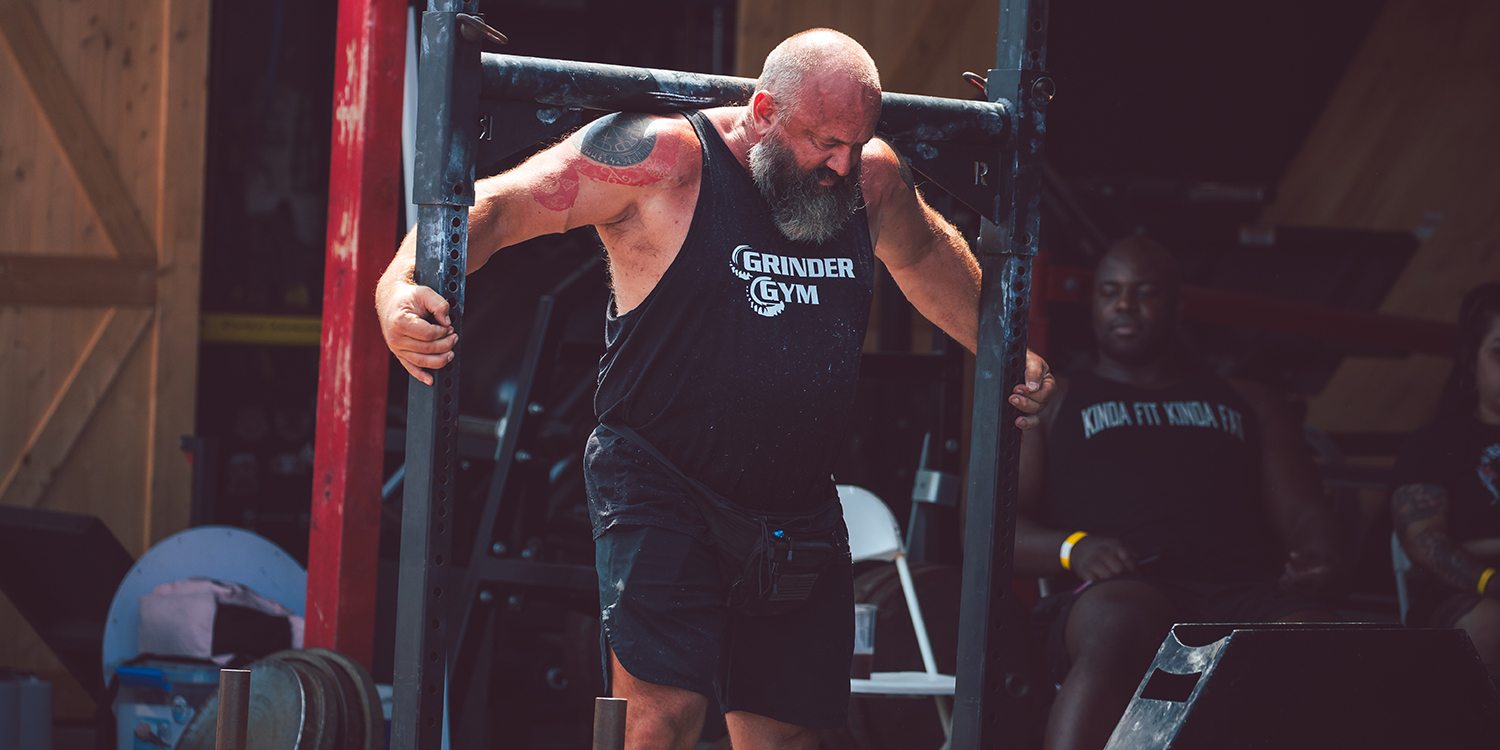
- Adjusting mid-yoke when it starts to drift
- Stabilizing a shifting sandbag or stone
- Changing direction under load
- Regaining balance without losing output
Agile Strength is what keeps you in the fight when movement breaks down or conditions aren’t ideal.
The Real Difference
Reactive Strength is about speed of transition.
Agile Strength is about control in motion.
Reactive Strength:
- Absorb → Reapply
- Minimal delay
- Built on timing and elasticity
- Best in predictable patterns
Agile Strength:
- Adjust → Stabilize → Reapply
- Requires constant correction
- Built on control and awareness
- Designed for unpredictable conditions
Why This Matters
A lot of athletes can produce force.
Fewer can use it quickly.
Even fewer can stay in control when things go wrong.
If you only train strength in perfect conditions, your performance will only show up in perfect conditions. The real world—and strongman especially—doesn’t give you that.
Loads shift. Footing changes. Fatigue builds. Execution breaks down.
Reactive Strength helps you stay fast.
Agile Strength helps you stay effective.
Where Most Training Falls Short
Most programs develop:
- Absolute Strength
- Some level of Explosive Strength
But they neglect:
- The transition (Reactive Strength)
- The adjustment (Agile Strength)
That’s why you see athletes who:
- Look powerful in the gym
- Fall apart in dynamic or unpredictable environments
They built strength.
They didn’t build the ability to use it.
How They Work Together
Reactive Strength gives you:
- Speed
- Efficiency
- Energy return
Agile Strength gives you:
- Control
- Stability
- Adaptability
Together, they create strength that:
- Holds up under fatigue
- Transfers to real movement
- Performs under pressure
In Strongman and Real Training
This is where the difference becomes obvious.
Strongman is not clean. It’s not perfectly balanced. It’s not predictable.
- A yoke will drift
- A sandbag will shift
- A stone won’t sit right
- Your footing won’t be perfect
Reactive Strength helps you move fast when things are going right.
Agile Strength keeps you moving when things start to go wrong.
The best athletes have both.
How You Train Them
If you want to develop both, your training has to reflect it.
For Reactive Strength:
- Plyometrics
- Olympic lift variations
- Sprint work
- Fast transitions under light to moderate load
For Agile Strength:
- Carries with unstable loads
- Odd object lifting
- Directional changes under load
- Situational and reactive drills
You don’t get this from machines or perfectly controlled reps.
You get it from exposure to movement that forces you to respond.
Strength That Performs
Strength isn’t just what you can produce.
It’s how quickly you can access it—and how well you can control it when things aren’t perfect.
Reactive Strength is your ability to bounce back.
Agile Strength is your ability to stay in control.
If you want strength that actually performs, you need both.
Reaction Requires Action
If your training only works when everything is perfect, it’s not ready for real performance.
Build strength that shows up when the weight shifts, when your footing changes, and when fatigue sets in.
Train your transitions.
Train your adjustments.
Train under load that forces you to respond.
At Grinder Gym, we don’t just build strength in controlled environments. We build strength that holds up in motion, under pressure, and in real-world conditions.
If you’re ready to move beyond perfect reps and start developing strength you can actually use:
Train with intent. Build strength that performs.
Comments are closed