
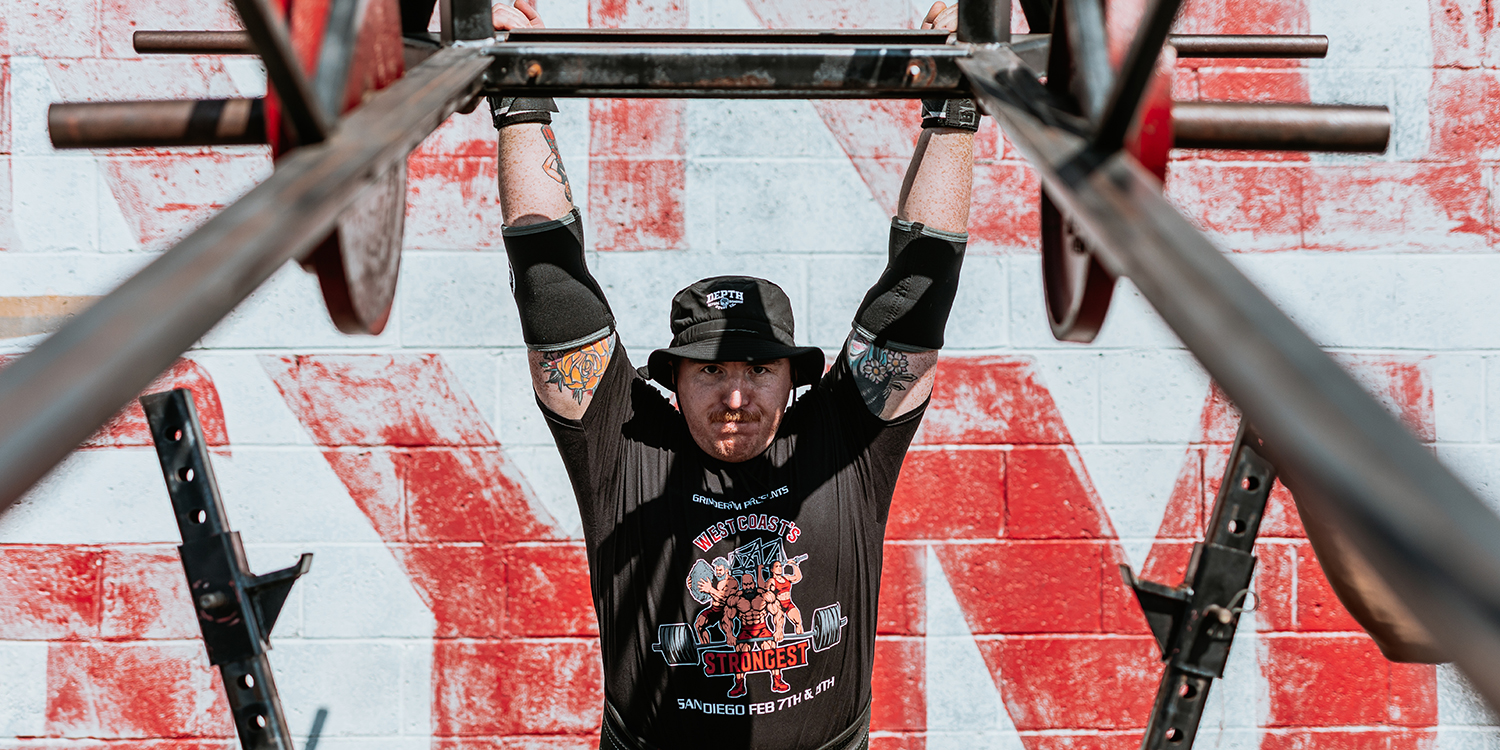
Strongman circuit training builds real, usable strength by combining heavy compound lifts, loaded movement, and anaerobic conditioning into short, intense rounds that force you to perform under fatigue.
It’s not bodybuilding.
It’s not traditional strength training.
It’s strength in motion.
Log presses, atlas stones, farmer’s walks, sled drags, and carries are layered together to develop:
- grip strength that holds under pressure
- posterior chain power
- trunk stability
- conditioning that carries into competition
This is how athletes learn to move heavy weight repeatedly — not just once.
What Strongman Circuits Are Designed to Build
Strongman circuits are structured to develop comprehensive performance across multiple demands at once.
You’re training:
- strength
- endurance
- coordination
- pacing
- mental resilience
All within one training block.
This approach mirrors competition conditions, where athletes must transition from one event to another while fatigued.
Core Components of Strongman Circuit Training
Fundamental Lifts
Heavy compound movements build the base.
Key lifts often included:
- deadlift variations
- log overhead presses
- atlas stone lifts
- squat variations such as front squats or Hatfield squats
These movements drive maximal strength and reinforce posture under load.
Functional Carries and Loaded Movement
Carrying awkward weight is a defining trait of strongman.
Common circuit elements include:
- farmer’s walks
- sandbag carries
- Zercher yoke carries
- front carries and frame carries
These simulate real-world strength and demand grip, core, and upper-back endurance.
Conditioning Elements
Strongman conditioning is built through work, not treadmills.
Circuit conditioning may include:
- prowler pushes and sled drags
- tire flips
- hammer strikes
- loading races
These elevate heart rate while forcing you to maintain technique.
You’re building work capacity without stepping away from strength.
Sample High-Intensity Strongman Circuit
Perform movements consecutively with minimal rest to build both strength and conditioning.
Example structure:
- Log Clean and Press — 3 to 5 heavy reps
- Farmer’s Walk — 40 to 60 feet
- Sandbag to Shoulder — 3 to 5 reps
- Sled Push or Pull — 60 meters
Repeat for 3 to 4 rounds with 2 to 3 minutes rest between circuits.
This type of session develops:
- transition efficiency
- breathing control
- grip endurance
- total-body power under fatigue
Key Principles That Make Circuits Effective
Intensity Over Volume
Strongman circuits prioritize effort, not endless reps.
Typical structure includes:
- 3 to 6 reps for strength at heavy loads
- timed sets for endurance
- short, focused rounds
Quality matters more than duration.
Progression
Circuits must evolve.
Progression can include:
- increasing load
- reducing rest
- increasing carry distance
- improving transition speed
Each adjustment builds performance without changing the structure entirely.
Frequency
Strongman circuits are demanding.
Most athletes benefit from:
- 2 to 4 sessions per week
- recovery days between high-intensity efforts
Recovery ensures that strength continues to rise instead of plateauing.
Where Most Athletes Go Wrong
The biggest mistake is treating circuits like random workouts.
Strongman circuits must be:
- event-specific
- strategically structured
- technically controlled
When fatigue rises, technique breaks down.
Posture collapses.
Grip fails.
Breathing becomes chaotic.
The goal is not exhaustion.
The goal is performance under pressure.
Why Circuit Training Transfers Directly to Competition
Competitions demand:
- multiple events
- limited rest
- transitions between disciplines
- sustained focus
Circuit training prepares athletes to:
- move from carry to press efficiently
- recover quickly between efforts
- maintain composure while fatigued
This is where real competitive advantage is built.
Circuit Training Builds Mental Strength Too
When fatigue sets in, doubt shows up.
Circuit training teaches you to:
- keep moving anyway
- reset between efforts
- finish strong
It builds confidence through exposure.
By the time you step onto a competition floor, you’ve already been there in training.
Learn Strongman Circuit Training the Right Way
Strongman circuit training is one of the fastest ways to improve real performance — but only when structured properly.
If you want to:
- build functional strength across events
- improve conditioning without losing power
- strengthen grip, core, and upper back
- prepare for medleys and competition pacing
you need hands-on exposure to real strongman training.
Grinder Gym Strongman Workshops provide:
- guided circuit sessions
- event-specific programming
- coaching on transitions and pacing
- access to proper implements
You won’t just train harder.
You’ll train with purpose.
Register for an upcoming Strongman Workshop at Grinder Gym and learn how to build strength that actually carries onto the competition floor.
Comments are closed