
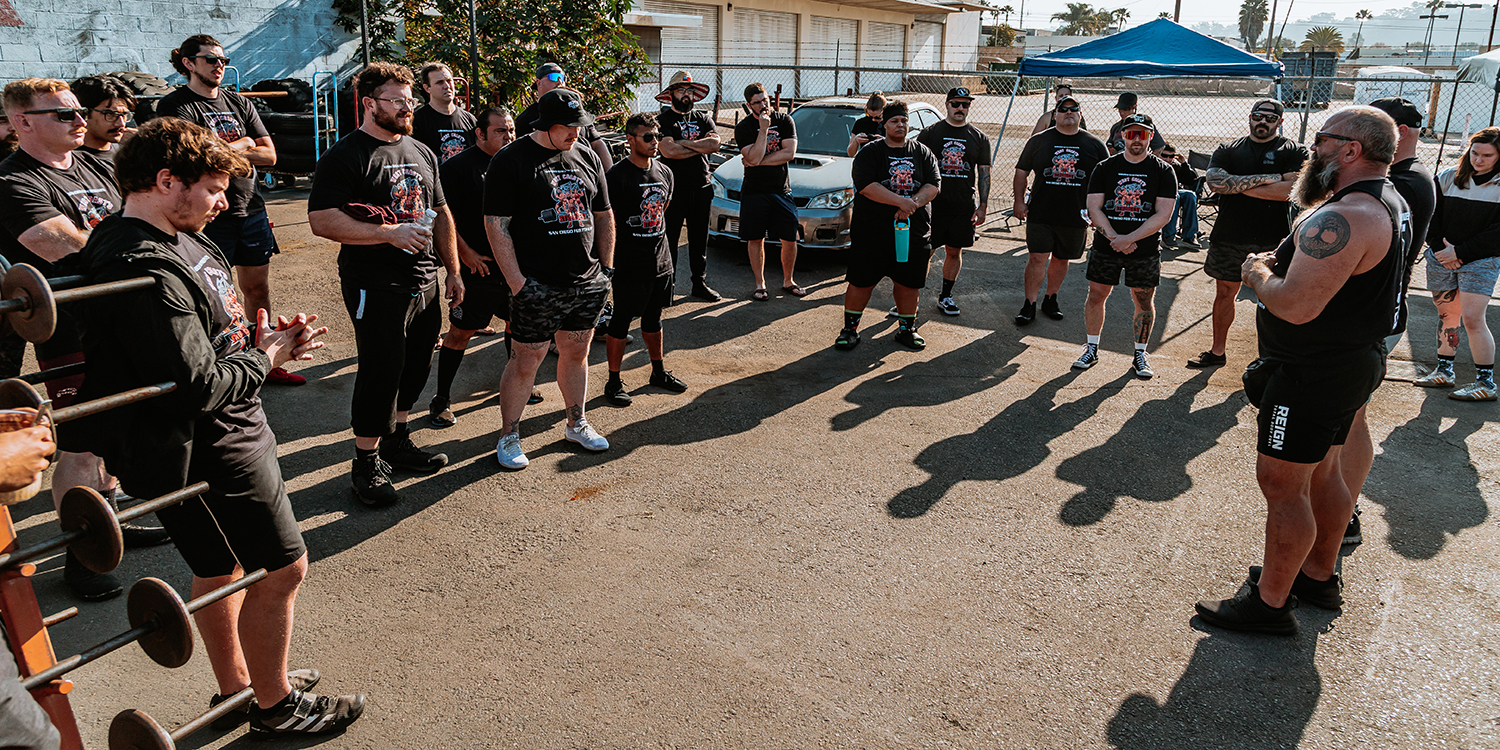
Strongman training is one of the most practical, demanding, and rewarding approaches to building real-world strength. Unlike traditional gym routines that isolate muscles or prioritize aesthetics, strongman focuses on applied performance — lifting, carrying, pulling, pressing, and moving heavy, awkward objects the way the human body was built to.
Whether your goal is to compete, get stronger, or experience a different style of training, strongman offers a path that challenges both physical and mental limits.
What Strongman Training Actually Is
Strongman training revolves around movement patterns rather than machines or isolated lifts. Athletes train to move heavy objects efficiently, repeatedly, and under fatigue.
Common elements include:
- overhead pressing (log, axle, circus dumbbell)
- loading (atlas stones, sandbags, kegs)
- carries (yoke, farmer’s handles, Husafell)
- deadlift variations
- sled work and pulling events
- medleys combining multiple disciplines
Each session builds strength, coordination, conditioning, and resilience at the same time.
This is not just lifting weight — it’s learning to control it.
How Strongman Differs From Traditional Strength Training
Most gym programs are predictable:
- fixed barbells
- stable machines
- controlled environments
Strongman is intentionally different.
You train with:
- shifting loads
- thick handles
- uneven implements
- moving events
- time-based efforts
That unpredictability forces the body to adapt in ways traditional training doesn’t. Grip improves. Core engagement increases. Conditioning develops naturally. Confidence under load grows.
You don’t just get stronger — you become more capable.
Who Strongman Training Is For
Strongman isn’t reserved for elite athletes or the biggest people in the room.
It supports:
- beginners looking for a structured entry into strength training
- lifters bored with traditional programs
- powerlifters, bodybuilders, and CrossFit athletes expanding skills
- competitors preparing for events
- individuals seeking functional strength
Every movement can be scaled based on experience, strength level, and goals.
Strongman is accessible — not exclusive.
Core Benefits of Strongman Training
Full-Body Strength Development
Every event recruits multiple muscle groups. You train to coordinate the entire body rather than isolate parts.
Grip and Core Strength
Nearly every movement demands grip stability and core bracing under load.
Conditioning Without Traditional Cardio
Medleys, carries, and timed events build work capacity organically.
Mental Resilience
Heavy, awkward objects demand focus, confidence, and composure.
Real-World Carryover
Strongman builds the kind of strength that transfers outside the gym — lifting, carrying, moving, and stabilizing weight in real situations.
The Role of Technique
Strongman isn’t just brute force.
Technique determines:
- efficiency
- safety
- performance longevity
Learning how to position the body, generate momentum, and stabilize loads is what separates struggling through events from executing them effectively.
This is why hands-on instruction matters. Many strongman movements are difficult to learn correctly through video alone. The feel of the implement, timing, and body positioning are best developed under guidance.
Training for Competition vs. Training for Strength
Not everyone who trains strongman competes.
Some train to:
- build general strength
- improve athleticism
- challenge themselves physically
Others progress into:
- novice competitions
- local events
- structured competition prep
Training adapts based on the goal. The foundation remains the same — learning the movements, building strength, and improving work capacity.
The Environment Matters
Strongman is different because of where and how it’s trained.
The right environment provides:
- space to move
- event equipment
- experienced lifters
- coaching feedback
- exposure to competition setups
Training around others who are working toward similar goals creates motivation, accountability, and faster learning.
Strongman grows through community.
Getting Started
Most people begin strongman training with:
- exposure to the equipment
- introductory sessions
- foundational movement instruction
- scaled loading
From there, progress happens naturally.
Strength increases. Confidence builds. Interest grows.
Many who start simply wanting to try it end up staying because of how engaging and rewarding the training becomes.
Where Strongman Training Leads
Strongman often becomes a gateway into:
- workshops and skill sessions
- structured training programs
- coaching
- competitions
- long-term strength development
It provides direction — not just workouts.
And for many, it reignites excitement about training.
Take the First Step
Reading about strongman is one thing. Experiencing it is another.
If you want to learn the movements, feel the implements, and train in an environment built around real strength development, the best place to start is in person.
Grinder Gym Strongman Workshops are designed for:
- beginners
- curious lifters
- athletes exploring the sport
- individuals ready to try something new
You’ll learn how to handle the equipment, understand the movements, and build confidence under load in a structured, supportive setting.
Start with the experience. Everything else — coaching, competition, long-term training — grows from there.
Join a Strongman Workshop at Grinder Gym and take your first step into the sport.
Comments are closed