
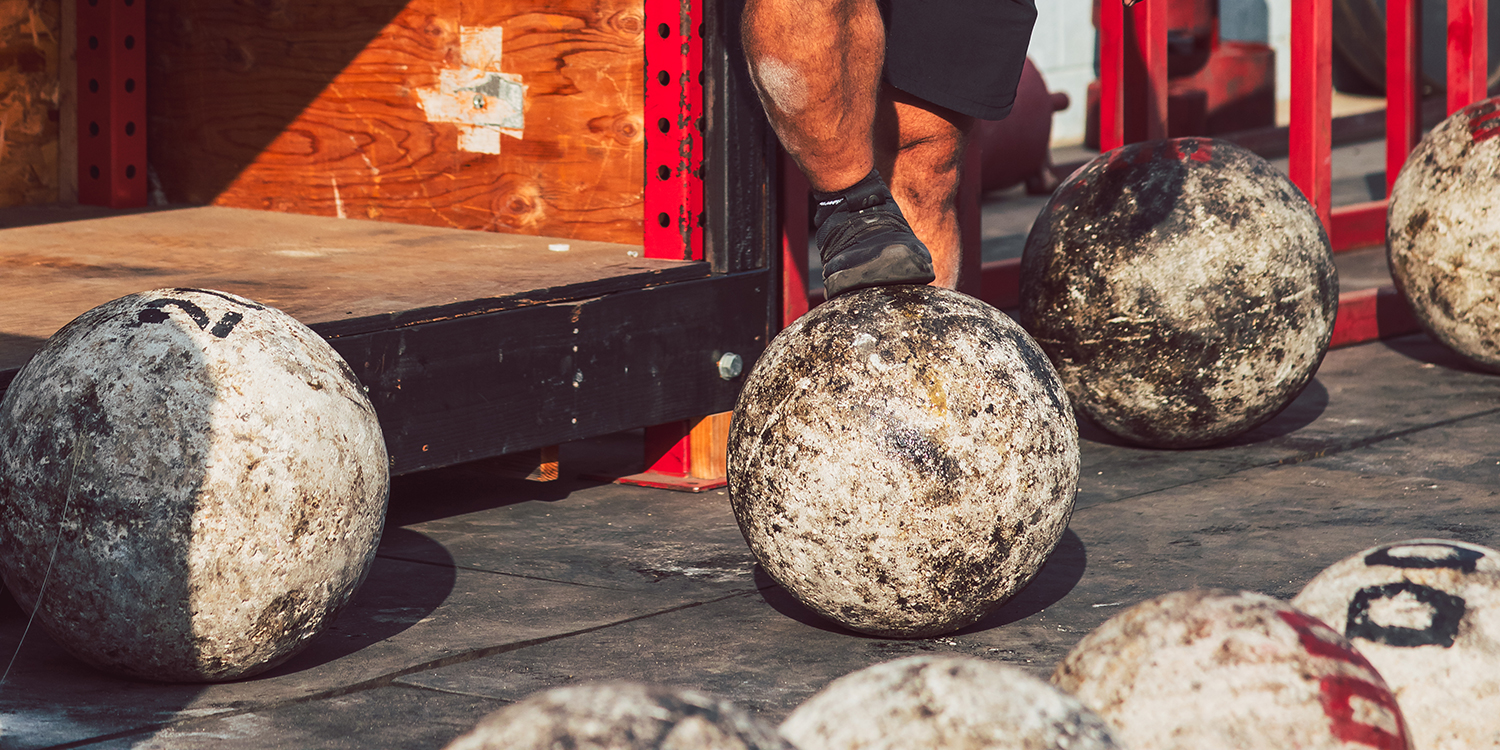
Strongman training can feel intimidating at first.
Big implements.
Heavy loads.
Awkward objects.
The idea of competing with them.
From the outside, it looks like something reserved for giants.
But the truth is this:
Strongman is one of the most accessible and rewarding ways to build real-world strength, mental toughness, and total-body power.
You don’t need to be huge.
You don’t need elite numbers.
You don’t need a full competition yard to start.
You need a foundation.
You need structure.
And you need the right exposure at the right time.
Here are the most common beginner questions — and the practical answers that will help you start the right way.
1. Do I need to be super strong or big to start?
No.
You don’t start strongman because you’re already strong.
You start strongman to become strong.
The sport scales naturally. Beginners can use:
- Lighter sandbags or kegs
- Heavy dumbbells instead of farmer’s handles
- Moderate yoke loads
- Basic pressing variations
Many top strongman athletes started as average-sized lifters and built themselves up over time.
Strongman rewards effort and consistency — not starting size and strength.
2. What equipment do I actually need?
You don’t need everything at once.
Start with foundational tools most serious gyms — including Grinder Gym — already have:
- Farmer’s handles (or heavy dumbbells/kettlebells)
- Sandbags or kegs
- Yoke (or safety bar for similar axial loading early on)
- Log or axle bar
- Sled for conditioning
If you only have basic gym equipment, you can still begin:
- Trap bar deadlifts
- Dumbbell carries
- Front squats
- Loaded core work
Implementations come as you progress. Exposure matters — but preparation comes first.
3. What should my weekly training look like?
Keep it simple and sustainable.
For beginners:
- 2–3 total training sessions per week
- 1–2 traditional strength days
- 1 event-focused session
- 1–2 full rest days
Example:
Monday — Squat + light yoke or carries
Wednesday — Deadlift variation + farmer’s walks
Friday — Overhead press + sandbag/keg work + sled conditioning
Weekend — Rest or mobility
Early on, strength base matters more than heavy event work.
4. How much strongman vs traditional lifting?
As a beginner:
- 60–70% traditional strength work
- 30–40% event-specific training
Build your squat, hinge, and press first.
After 3–6 months, increase event exposure as grip, conditioning, and trunk strength improve.
Heavy event work every session will bury recovery.
5. What movements matter most?
Master these five patterns:
Squat — leg drive and core stability
Hinge — posterior chain power (deadlifts, sandbag picks)
Push — overhead strength (log, axle, strict press)
Pull — back strength and posture
Carry — grip, trunk, and conditioning
Strongman is built on these foundations.
6. How do I avoid injury?
Strongman is safe when structured properly.
Key principles:
- Start light — technique before load
- Learn bracing and breathing (big belly breath, 360° tension)
- Warm up thoroughly
- Progress gradually
- Back off when grip or joints are telling you something
Most injuries happen from doing too much, too soon.
7. Do I need supplements?
No.
Your foundation is:
Adequate calories
Consistent protein
Quality carbohydrates
7–9 hours of sleep
Hydration
Creatine can help, but it’s not required.
Training and recovery drive results.
8. How do I know if I’m progressing?
Track simple markers:
Carry distance and time
Weight on key lifts
Loading speed
Grip endurance
Recovery between sessions
Progress isn’t always dramatic. It’s often steady and cumulative.
That’s how real strongman strength builds.
9. Should I compete as a beginner?
If you want to — yes.
Most competitions offer novice divisions designed for first-time athletes.
Competing teaches:
Pacing
Execution under pressure
Event sequencing
Energy management
You don’t need to win.
You need to show up prepared and finish the day.
10. Where should I start right now?
Start here:
Build a strength base
Introduce basic carries and loading
Train 2–3 days per week
Focus on consistency over max effort
Get guidance early instead of guessing
Strongman isn’t about maxing out every session.
It’s about building capability over time.
Start Strongman the Right Way at Grinder Gym
Strongman isn’t about being the biggest person in the room.
It’s about being the most capable under real demands.
At Grinder Gym, beginners aren’t thrown into heavy implements unprepared. We build:
Movement patterns
Bracing and breathing
Grip strength
Implement familiarity
Conditioning under control
Then we progress toward full event work and competition at the right pace.
If you’re ready to start strongman training without guesswork, register for an upcoming Strongman Workshop at Grinder Gym.
You’ll learn:
Foundational movement patterns
Safe implement introduction
Beginner-friendly programming
Grip, bracing, and recovery essentials
Strongman rewards those who show up, learn, and keep going.
Let’s get you moving the right way from day one.
Comments are closed