
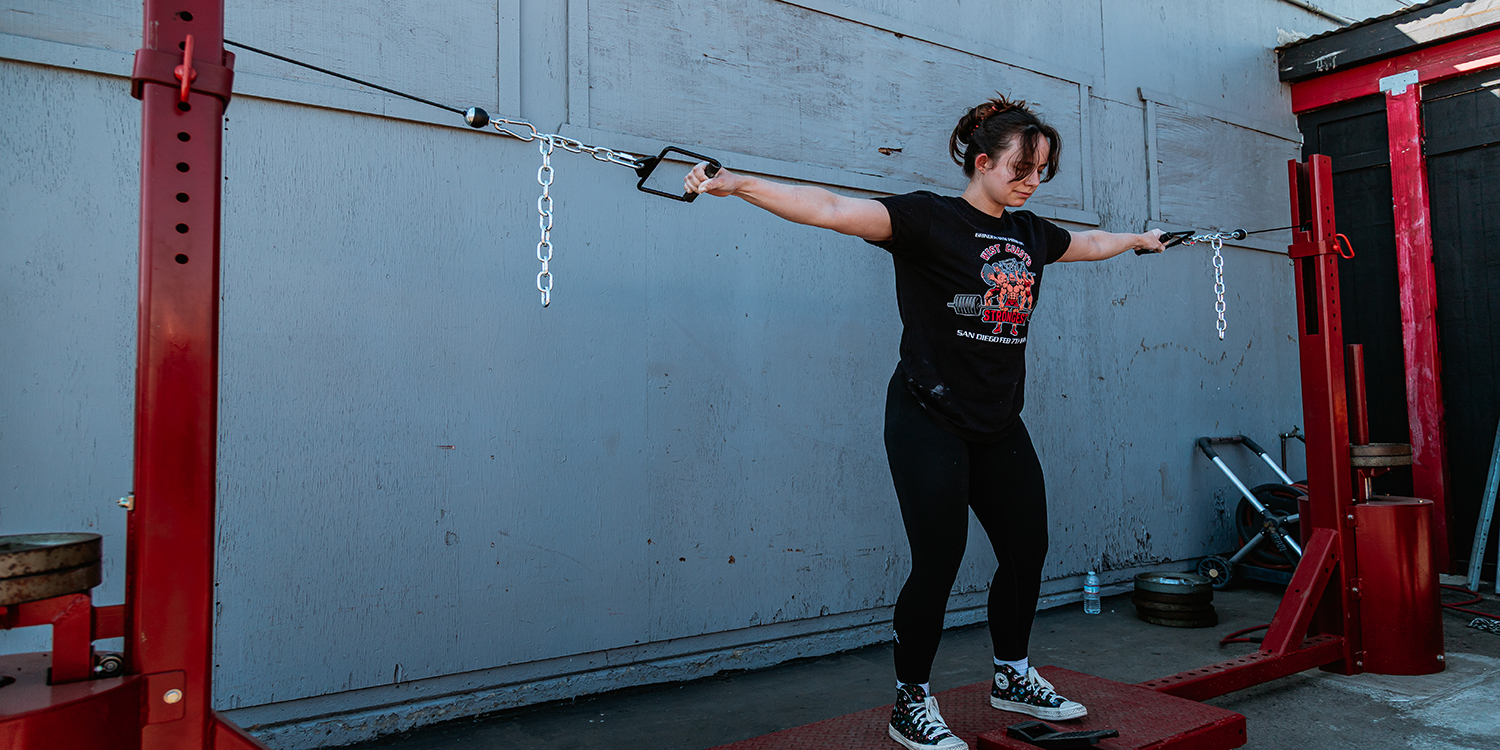
The Hercules Hold is one of the simplest events in strongman on the surface — and one of the most misunderstood when it comes to rules, setup, and execution.
At its core, the event tests grip strength and endurance. The athlete stands between two weighted pillars or frames and holds the handles as long as possible while the load pulls outward.
But when promoters and athletes start asking questions about elbow position, leaning, stance, grip styles, and safety, it becomes clear that the Hercules Hold is not always as straightforward as it seems.
Understanding how the event is typically run at higher-level competitions helps create consistency, fairness, and safer execution.
The Core Objective of the Hercules Hold
The purpose of the event is simple:
Hold the handles as long as possible.
Time ends when:
The athlete drops one or both handles
The implement makes contact with the ground
Grip fails
The athlete loses control of the pillars
This makes the Hercules Hold primarily a grip endurance event, not a curl, not a deadlift, and not a positioning game.
Common Rules Seen Across Competitions
While rules can vary between promoters and federations, several standards appear repeatedly in higher-level shows.
Grip Restrictions
Most competitions limit grip aids to maintain fairness.
Typical rules include:
Chalk allowed
No tacky
No lifting straps
Often no wraps
Hook grip sometimes allowed, sometimes prohibited
Promoters usually specify this clearly before the event begins.
Arm and Elbow Position
This is one of the most debated elements.
In practice, the event naturally forces the arms toward extension because the load is pulling outward. Some shows require arms to remain extended, while others simply allow athletes to hold the handles however they can.
However:
Attempting to “curl” the implements inward rarely lasts
It often shortens hold time due to fatigue
Heavier setups make curling nearly impossible
At higher levels, the weight itself typically dictates arm position more than rules do.
Stance and Body Position
Athletes often adopt a wide stance for stability.
Some competitions restrict:
Excessive leaning
Squatting to lower the center of gravity
Extreme forward or backward body positioning
Other shows allow athletes to find their strongest stance without restriction.
There is no universal standard here, but consistency within a competition is key.
Hand Placement
A common rule is that:
Hands must stay on the handles only
No grabbing chains, frames, or outer casings
No repositioning that creates mechanical advantage
This prevents manipulation of the apparatus rather than testing grip strength.
Safety Considerations
Safety is a major factor in how the Hercules Hold is structured.
Promoters often address:
How far pillars can drop
Whether inward pulling creates tipping hazards
Spotter placement
Padding or stopping mechanisms
If the pillars are too light or the drop is too aggressive, the event becomes less about grip and more about sudden force pulling the handles away.
Well-built apparatuses prevent:
Pillars collapsing inward
Dangerous recoil
Uncontrolled drops
At higher-level shows, the implement design often solves many rule concerns automatically.
Technique Still Matters
Even though the event appears simple, execution makes a difference.
Athletes commonly focus on:
Maximizing grip tension immediately
Setting the shoulders in a stable position
Creating a wide, balanced stance
Minimizing unnecessary movement
Efficiency improves hold time significantly.
Grip endurance is the primary limiter — not strategy tricks.
Consistency Matters More Than Complexity
One theme appears repeatedly across experienced athletes and promoters:
The Hercules Hold works best with minimal rules.
Over-regulating the event can create confusion, while under-regulating can introduce safety concerns.
The best competitions strike a balance:
Clear grip rules
Consistent judging standards
Safe implement setup
Simple objective — hold as long as possible
When structured well, the event becomes a pure test of grip strength and mental toughness.
The Hercules Hold Is a True Strongman Test
This event reflects what strongman does best:
Simple objective
Brutal execution
Clear outcome
You don’t out-strategize it.
You don’t finesse it.
You hold on until you can’t.
Grip fails.
Time stops.
Results are earned.
Learn the Hercules Hold in the Right Environment
The Hercules Hold is best learned through hands-on experience with proper equipment and coaching.
Grinder Gym workshops provide exposure to grip events, event rules, technique execution, and safe training setups. Athletes learn how to approach the event, position themselves correctly, and build the grip strength needed to perform.
You’ll gain:
Hands-on experience with strongman implements
Guidance on grip and positioning
Insight into competition standards and judging
Preparation for events like the Hercules Hold
Whether you’re preparing for competition or learning the sport, training in the right environment builds confidence and performance.
Train the events.
Learn the standards.
Build real strongman strength.
Comments are closed