
While specific exercises are often pinpointed as causes of acute injuries, the underlying causes of many chronic injuries remain difficult to identify. For clinicians and strength and conditioning professionals, understanding training patterns that elevate injury risk is essential and requires knowledge of established injury trends and contributing factors.
Introducing new exercises, particularly those with higher risk potential, should be approached with a focus on gradual adaptation and caution. For individuals who are healthy, free of biomechanical impairments, and adhere to proper training techniques, many exercises labeled as controversial are actually quite safe when executed correctly. They might even reduce the risk of injury, as evidenced by movements like squats. This is especially relevant when similar physical stresses are likely encountered through daily activities, sports, or other conditioning routines.
The following is a list of exercises commonly labeled as “controversial exercises”, along with explanations of why they might be considered controversial, special considerations, and potential alternatives:
Kipping Pull-Ups
Questioned Position: Use of momentum to complete the pull-up.
Considerations: Kipping pull-ups can strain the shoulders and elbows due to the dynamic motion involved. Beginners or those with inadequate shoulder strength and mobility are at a higher risk of injury.
Alternative: Strict pull-ups are recommended for building foundational strength.
Behind-the-Neck Lat Pulldowns
Questioned Position: Bar pulled down behind the neck.
Considerations: This exercise can place excessive stress on the shoulder joints and cervical spine. Individuals with shoulder impingement or limited flexibility should avoid this movement.
Alternative: Front lat pulldowns are a safer alternative.
Behind-the-Neck Press
Questioned Position: Barbell pressed behind the neck.
Considerations: This movement can cause significant strain on the shoulder joints and neck. It requires high shoulder flexibility and can exacerbate existing shoulder issues.
Alternative: Front shoulder presses are generally safer and just as effective.
Deep Squats (Below Parallel)
Questioned Position: Squatting below parallel.
Considerations: Deep squats can place additional stress on the knees and lower back. Proper form and flexibility are crucial to perform this exercise safely. It can be beneficial for building lower body strength and mobility if executed correctly.
Sumo Deadlift High Pull
Questioned Position: Combining a sumo deadlift with a high pull.
Considerations: This exercise can be hard on the shoulders and lower back, particularly if performed with poor form or excessive weight. It is important to master both the sumo deadlift and high pull separately before combining them.
Good Mornings
Questioned Position: Bending forward with a barbell on the back.
Considerations: Good mornings target the lower back and hamstrings but can pose a high risk of lower back injury if not performed correctly. Proper technique and moderate weights are essential to mitigate risk.
Jefferson Deadlift
Questioned Position: Straddling the barbell while lifting.
Considerations: The uneven stress on the spine makes this exercise controversial. It can be beneficial for some lifters but may feel awkward and potentially hazardous for others. Proper form and controlled weights are key.
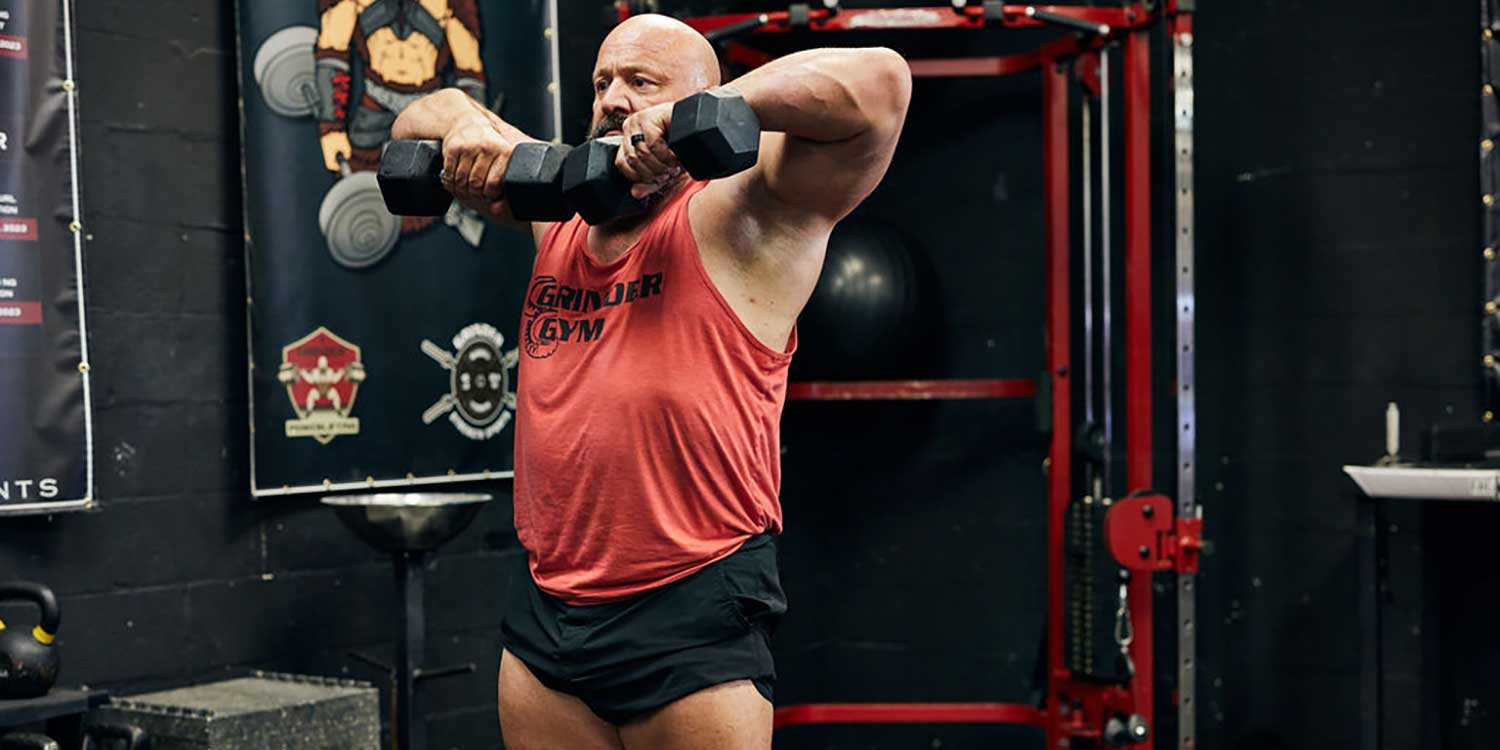
Upright Rows
Questioned Position: Barbell pulled up close to the body.
Considerations: Upright rows can impinge the shoulder joints, increasing the risk of shoulder injuries. Using lighter weights and focusing on proper form can help mitigate risks.
Alternative: Lateral raises can be used to target similar muscle groups.
Smith Machine Squats
Questioned Position: Squatting with a fixed plane of motion.
Considerations: The fixed movement path of the Smith machine can lead to improper form and increased joint stress. Free-weight squats are generally considered more effective and safer, allowing for natural movement patterns.
Leg Press
Questioned Position: Pushing weight on a machine with legs.
Considerations: Improper use of the leg press can lead to lower back injuries and poor squat mechanics. Lifters should avoid using excessive weight and maintain proper form to reduce injury risk.
Crunches
Questioned Position: Traditional crunching motion for the abs.
Considerations: Traditional crunches have limited range of motion and can cause lower back strain.
Alternative: Planks and other core stabilization exercises are often recommended as safer and more effective alternatives.
Barbell Hip Thrusts
Questioned Position: Lifting hips with a barbell across the hips.
Considerations: Barbell hip thrusts can be uncomfortable and cause lower back or hip discomfort if performed incorrectly. Proper setup and technique are crucial for maximizing glute development and minimizing injury risk.
Plyometric Exercises (e.g., Box Jumps)
Questioned Position: Explosive jumping movements.
Considerations: Plyometric exercises are beneficial for building explosive power but carry a high injury risk, especially for those with poor form or inadequate conditioning. They place significant stress on the joints, requiring proper technique and gradual progression.
Deadlifts with a Rounded Back
Questioned Position: Lifting with a rounded back.
Considerations: Lifting with a rounded back greatly increases the risk of spinal injury. This form should generally be avoided, with emphasis placed on maintaining a neutral spine during deadlifts.
Single-Leg Romanian Deadlifts
Questioned Position: Balancing on one leg while performing a deadlift.
Considerations: This exercise can improve balance and target the posterior chain but is technically challenging. Poor balance and form can lead to lower back and knee injuries. It is essential to start with lighter weights and focus on form.
Conclusion
Many recommendations stem from certification guidelines or dr’s advice for specific conditions, it’s incorrect to assume any movements are unsuitable for all. All activities pose a potential risk, but can also be essential for many fitness goals. Even activity that is typically considered safe, has high injury rates at elite competitive levels.
Many people perform so-called risky exercises without issues, indicating that factors beyond the exercise itself influence injury risk. For healthy individuals following proper training practices, these exercises above can enhance joint stability and reduce injury risk like most exercises. Avoiding certain movements might actually increase injury risk if joints encounter unexpected loads in daily activities or training.
Instructors and trainers should explain why some movements may not be ideal for certain individuals while being safe for others. Instead of broadly labeling exercises as ‘bad,’ offering tailored advice based on individual needs is more effective. This helps clients understand the importance of proper form, gradual adaptation, and context-specific safety.
Each of these exercises has its proponents and detractors. The key to safely performing any exercise is to ensure proper form, start with appropriate weights, and consider individual fitness levels and any pre-existing conditions.
EXERCISES
Comments are closed